

How does the feed rate affect the grinding result of a side window grinding wheel?
Jul 02, 2025
In the glass processing industry, side window grinding wheels play a crucial role in achieving high - quality glass products. As a reliable side window grinding wheel supplier, I have witnessed firsthand how different factors can influence the grinding results. One of the most significant factors is the feed rate. In this blog, I will delve into how the feed rate affects the grinding result of a side window grinding wheel.
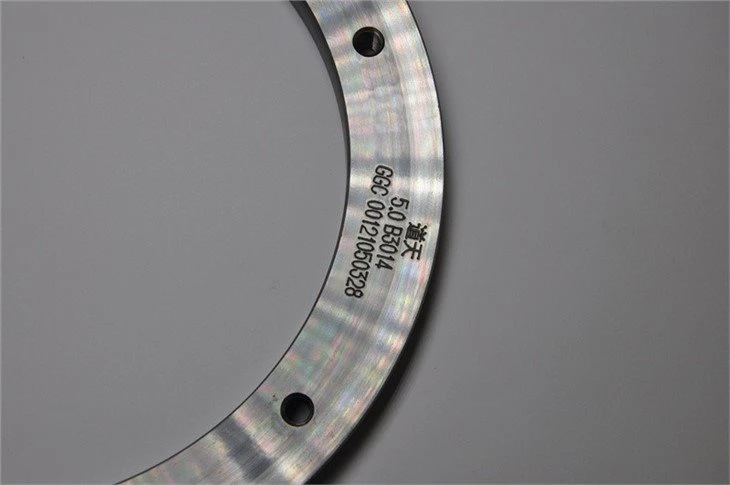

The Basics of Side Window Grinding Wheels
Side window grinding wheels are designed to shape, polish, and finish the edges of glass side windows. They come in various types, such as the Glassline Profile Modeling Grinding Wheel, Three Groove Grinding Wheel, and Diamond Grinding Wheel for Solar Glass. Each type is engineered to meet specific requirements in terms of precision, surface finish, and material compatibility.
Understanding Feed Rate
The feed rate in grinding operations refers to the speed at which the workpiece (in this case, the glass side window) moves relative to the grinding wheel. It is typically measured in millimeters per minute (mm/min) or inches per minute (ipm). A proper feed rate is essential for optimizing the grinding process and achieving the desired results.
Effects of Feed Rate on Grinding Results
1. Surface Finish
The feed rate has a direct impact on the surface finish of the ground glass. When the feed rate is too high, the grinding wheel may not have enough time to remove material evenly. This can result in a rough surface with visible scratches and unevenness. On the other hand, if the feed rate is too low, the grinding wheel may over - grind the surface, causing excessive heat generation and potentially leading to micro - cracks on the glass surface.
For instance, in the production of high - end automotive side windows, a smooth and flawless surface finish is crucial. If the feed rate is not carefully controlled, the aesthetic appeal of the windows will be compromised, and they may not meet the strict quality standards of the automotive industry.
2. Material Removal Rate
The material removal rate (MRR) is another important aspect affected by the feed rate. A higher feed rate generally leads to a higher MRR, as more material is removed from the workpiece per unit of time. However, there is a limit to how much the feed rate can be increased. If the feed rate exceeds the capacity of the grinding wheel, the wheel may become clogged with glass particles, reducing its cutting efficiency and potentially causing damage to the wheel itself.
When using a Three Groove Grinding Wheel for grinding thick glass side windows, a moderate increase in the feed rate can help to speed up the grinding process. But if the feed rate is pushed too far, the grooves of the wheel may become filled with glass debris, and the grinding performance will deteriorate rapidly.
3. Grinding Force
The grinding force is also influenced by the feed rate. As the feed rate increases, the grinding force exerted on the workpiece and the grinding wheel also increases. Excessive grinding force can cause the grinding wheel to wear out more quickly, reducing its lifespan. Moreover, it can put additional stress on the grinding machine and the workpiece, increasing the risk of breakage.
In the case of large - sized glass side windows, a high feed rate may generate significant grinding forces that could cause the glass to crack during the grinding process. Therefore, it is necessary to find a balance between the feed rate and the grinding force to ensure the safety and efficiency of the grinding operation.
4. Wheel Wear
The wear of the grinding wheel is closely related to the feed rate. A high feed rate can accelerate the wear of the grinding wheel, as the abrasive grains on the wheel are subjected to more intense forces and abrasion. This means that the grinding wheel will need to be replaced more frequently, increasing the overall cost of the grinding process.
Conversely, a very low feed rate may not cause excessive wheel wear, but it can also lead to inefficient use of the wheel. The abrasive grains may not be fully utilized, and the wheel may become dull over time due to lack of proper engagement with the workpiece.
Optimizing the Feed Rate
To achieve the best grinding results, it is necessary to optimize the feed rate based on several factors.
1. Wheel Type and Specifications
Different types of side window grinding wheels have different optimal feed rates. For example, a Diamond Grinding Wheel for Solar Glass may require a different feed rate compared to a traditional resin - bonded grinding wheel. The grit size, bond type, and wheel diameter also play a role in determining the appropriate feed rate.
2. Workpiece Material and Thickness
The type of glass used for the side windows and its thickness are important considerations. Thicker glass may require a lower feed rate to avoid excessive stress and breakage, while thinner glass can generally tolerate a higher feed rate. Additionally, different types of glass, such as tempered glass or laminated glass, may have different grinding characteristics and thus require different feed rates.
3. Grinding Machine Capability
The capabilities of the grinding machine, such as its power, speed control, and rigidity, also affect the feed rate. A more powerful and rigid machine can handle higher feed rates more effectively. It is important to ensure that the feed rate is within the operating range of the grinding machine to prevent mechanical failures.
Case Studies
Let's take a look at some real - world examples to illustrate the importance of feed rate control.
Case 1: Automotive Side Window Production
A glass processing company was using a Glassline Profile Modeling Grinding Wheel to grind automotive side windows. Initially, they set the feed rate too high in an attempt to increase production speed. As a result, the surface finish of the windows was poor, and many of them had to be re - worked. After adjusting the feed rate to an optimal level, the surface finish improved significantly, and the production yield increased by 20%.
Case 2: Solar Glass Grinding
In the production of solar glass, a company was using a diamond grinding wheel. They found that when the feed rate was too low, the material removal rate was very slow, and the production efficiency was low. By gradually increasing the feed rate while monitoring the grinding process, they were able to increase the material removal rate by 30% without sacrificing the quality of the solar glass.
Conclusion
In conclusion, the feed rate is a critical factor that affects the grinding results of side window grinding wheels in multiple ways. It influences the surface finish, material removal rate, grinding force, and wheel wear. As a side window grinding wheel supplier, I understand the importance of providing customers with not only high - quality grinding wheels but also the knowledge and support to optimize the grinding process.
If you are in the glass processing industry and are looking for reliable side window grinding wheels or need advice on optimizing your grinding process, I encourage you to contact me for a detailed discussion. We can work together to find the best solutions for your specific needs and ensure the highest quality of your glass products.
References
- Boothroyd, G., & Knight, W. A. (2006). Fundamentals of Machining and Machine Tools. Marcel Dekker.
- Trent, E. M., & Wright, P. K. (2000). Metal Cutting. Butterworth - Heinemann.
- Shaw, M. C. (2005). Metal Cutting Principles. Oxford University Press.