

How often should I replace grinding tools for flat glass?
Oct 13, 2025
How often should I replace grinding tools for flat glass? This is a question that many glass manufacturers and processors often ask. As a leading supplier of Grinding Tools for Flat Glass, I'd like to share some insights on this topic to help you make informed decisions and optimize your glass processing operations.
Factors Affecting the Replacement Frequency of Grinding Tools
1. Type of Glass
The composition and hardness of the glass being processed play a significant role in determining how often the grinding tools need to be replaced. For instance, tempered glass is much harder than regular float glass. When grinding tempered glass, the grinding tools experience more wear and tear due to the increased hardness. On the other hand, softer glasses like borosilicate glass may not cause as much damage to the grinding tools, allowing them to last longer. If you primarily process harder glasses, you'll likely need to replace the grinding tools more frequently.
2. Grinding Process
The specific grinding process you use also impacts the tool lifespan. There are different types of grinding operations, such as rough grinding and fine grinding. Rough grinding involves removing a large amount of glass material quickly, which puts more stress on the grinding tools. Fine grinding, however, is a more precise process that requires less force and causes less wear on the tools. If your production line involves a high proportion of rough grinding, you should expect to replace the grinding tools more often compared to a process focused on fine grinding.
3. Grinding Machine Settings
The settings of your grinding machine, including the rotational speed, feed rate, and pressure applied during grinding, can have a major influence on tool wear. High rotational speeds and feed rates can increase the abrasion on the grinding tools, leading to faster wear. Similarly, excessive pressure can cause the tools to break down more quickly. It's essential to optimize these settings according to the type of glass and the grinding process to extend the life of your grinding tools.
4. Quality of Grinding Tools
The quality of the grinding tools themselves is a crucial factor. High - quality grinding tools made from premium materials and advanced manufacturing processes are generally more durable and can withstand more grinding cycles before needing replacement. At our company, we offer a wide range of Grinding Tools for Flat Glass that are designed to provide long - lasting performance, but even the best tools will eventually wear out.
Signs That Indicate the Need for Tool Replacement
1. Decreased Grinding Efficiency
One of the most obvious signs that it's time to replace the grinding tools is a decrease in grinding efficiency. If you notice that the glass is taking longer to grind, or that the surface finish of the glass is not as smooth as it used to be, it could be a sign that the grinding tools are worn out. A worn - out tool may not be able to remove glass material effectively, resulting in slower processing times and lower quality output.
2. Excessive Heat Generation
During the grinding process, some heat is generated due to friction. However, if you notice that the grinding tools are getting excessively hot, it could be a sign of wear. Worn - out tools may not be able to dissipate heat properly, which can lead to overheating and further damage to the tools. Excessive heat can also cause the glass to crack or warp, affecting the quality of the final product.
3. Visible Wear and Damage
Inspecting the grinding tools regularly is essential. Look for visible signs of wear, such as a reduction in the size of the abrasive particles, chipping, or cracking of the tool. If the abrasive layer on the tool is significantly worn down, it will no longer be able to perform its grinding function effectively, and replacement is necessary.
General Guidelines for Replacement Frequency
While it's difficult to provide an exact replacement schedule as it depends on the factors mentioned above, here are some general guidelines:
For Small - Scale Operations
If you have a small - scale glass processing operation with relatively low production volumes, you may be able to use the grinding tools for several weeks or even months before replacement. For example, if you process a few sheets of flat glass per day using a manual or semi - automatic grinding machine, and you mainly perform fine grinding on regular float glass, the tools may last for 2 - 3 months.
For Medium - Scale Operations
Medium - scale operations with a moderate production volume may need to replace the grinding tools every 1 - 2 weeks. These operations typically use more advanced grinding machines and may process a variety of glass types, including some harder glasses. The higher production volume and more diverse processing requirements put more stress on the tools, leading to faster wear.
For Large - Scale Operations
Large - scale glass manufacturing plants with high - volume production may need to replace the grinding tools daily or even multiple times a day. These plants often operate 24/7 and use high - speed grinding machines to process large quantities of glass. The continuous operation and high - intensity grinding put extreme stress on the tools, and regular replacement is necessary to maintain production efficiency and quality.
Importance of Regular Maintenance and Tool Management
In addition to knowing when to replace the grinding tools, regular maintenance is also crucial for extending their lifespan. This includes cleaning the tools after each use to remove glass dust and debris, which can cause additional wear. You should also store the tools properly in a dry and clean environment to prevent corrosion and damage.
Implementing a tool management system can also help you keep track of the usage and replacement of grinding tools. This system can include recording the start and end dates of tool use, the number of grinding cycles, and any signs of wear or damage. By analyzing this data, you can identify patterns and optimize your tool replacement schedule.
Different Types of Grinding Tools and Their Replacement Considerations
Diamond Grinding Wheels
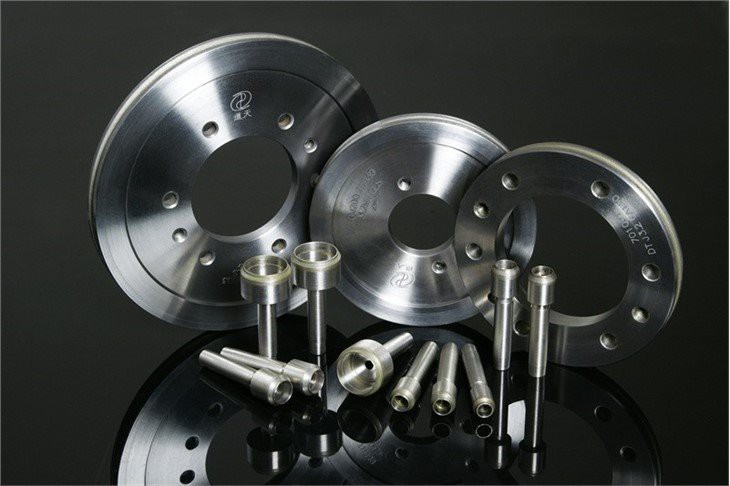
Diamond grinding wheels are widely used in flat glass processing due to their high hardness and durability. However, they still wear out over time. The replacement frequency of diamond grinding wheels depends on the type of diamond used (synthetic or natural), the concentration of diamonds in the wheel, and the grinding application. For rough grinding applications, diamond grinding wheels may need to be replaced more often compared to fine grinding.

Silicon Carbide Grinding Wheels
Silicon carbide grinding wheels are another common type of grinding tool. They are suitable for grinding softer glasses and are generally less expensive than diamond grinding wheels. However, they also have a shorter lifespan. Silicon carbide wheels may need to be replaced more frequently, especially when used for high - volume grinding operations.
Conclusion
Determining how often to replace grinding tools for flat glass is a complex decision that depends on multiple factors. By understanding the type of glass, the grinding process, machine settings, and the quality of the tools, you can better predict when replacement is necessary. Regular inspection, maintenance, and tool management are essential for optimizing the lifespan of the grinding tools and ensuring the quality and efficiency of your glass processing operations.
If you are looking for high - quality Grinding Tools for Flat Glass, we are here to help. We also offer Grinding Tools for Appliance Glass and Grinding Tools for Automotive Glass to meet your diverse needs. If you have any questions or would like to discuss your specific requirements, please feel free to reach out to us. We are committed to providing you with the best grinding solutions and excellent customer service.
References
- Glass Processing Handbook, various editions
- Industry reports on glass grinding tool performance and maintenance
- Research papers on abrasive wear in glass grinding processes