

How to adjust the pressure when using a grinding tool?
Nov 25, 2025
Hey there! I'm a supplier of grinding tools, and I've seen firsthand how important it is to adjust the pressure correctly when using these tools. Whether you're working with flat glass, appliance glass, or automotive glass, getting the pressure right can make a huge difference in the quality of your work and the lifespan of your tools. In this blog post, I'm going to share some tips on how to adjust the pressure when using a grinding tool, based on my experience in the industry.
Understanding the Basics of Pressure in Grinding
Before we dive into the tips, let's talk a bit about what pressure means in the context of grinding. Pressure is essentially the force applied to the grinding tool against the material you're working on. This force affects how aggressively the tool cuts into the material, which in turn affects the finish and the rate of material removal.
Too much pressure can lead to a number of problems. It can cause the grinding wheel to wear out faster, generate excessive heat, and even damage the material you're grinding. On the other hand, too little pressure may result in inefficient material removal and a poor finish. So, finding the right balance is key.
Factors Affecting Pressure Adjustment
There are several factors that can influence the amount of pressure you need to apply when using a grinding tool. Here are some of the most important ones:
- Type of Material: Different materials have different hardness and brittleness levels, which means they require different amounts of pressure. For example, grinding Grinding Tools for Flat Glass may require less pressure compared to grinding harder materials like certain types of stone.
- Grinding Tool: The type and size of the grinding tool also play a role. A larger grinding wheel may require more pressure to achieve the same cutting effect as a smaller one. Additionally, different grinding wheels are designed for different applications and may have specific pressure requirements.
- Desired Finish: If you're looking for a smooth finish, you'll typically need to use less pressure and make more passes. For a rougher finish or faster material removal, you can increase the pressure slightly.
Tips for Adjusting Pressure
Now that we understand the basics and the factors involved, let's get into some practical tips for adjusting the pressure when using a grinding tool.
- Start with a Light Touch: When you're starting a new grinding job, it's always a good idea to start with a light touch. Apply just enough pressure to make the grinding wheel start cutting into the material. This allows you to get a feel for the tool and the material and make adjustments as needed.
- Observe the Grinding Action: Pay close attention to how the grinding wheel is interacting with the material. If the wheel is spinning freely without making much contact, you may need to increase the pressure. If you notice excessive sparks or the material is chipping, it could be a sign that you're applying too much pressure.
- Make Small Adjustments: Instead of making large, sudden changes in pressure, make small adjustments and observe the results. This way, you can fine-tune the pressure to achieve the best results without causing any damage.
- Use a Consistent Pressure: Try to maintain a consistent pressure throughout the grinding process. Inconsistent pressure can lead to an uneven finish and may even cause the grinding wheel to wear unevenly.
- Take Breaks: Grinding can generate a lot of heat, especially when using high pressure. Taking regular breaks allows the grinding wheel and the material to cool down, which can help prevent overheating and damage.
Pressure Adjustment for Different Applications
Let's take a look at how these tips apply to different types of grinding applications.
Grinding Flat Glass
When grinding Grinding Tools for Flat Glass, it's important to be gentle. Glass is a brittle material, so applying too much pressure can cause it to crack or chip. Start with a very light touch and gradually increase the pressure as needed. Use a fine-grit grinding wheel for a smooth finish and make multiple passes if necessary.
Grinding Appliance Glass
Grinding Tools for Appliance Glass may require a bit more pressure than flat glass, depending on the thickness and type of glass. However, you still need to be careful not to overdo it. Pay attention to the edges and corners of the glass, as these areas are more prone to chipping. Use a medium-grit grinding wheel for most appliance glass applications.
Grinding Automotive Glass
Automotive glass is often tempered and requires special care. When using Grinding Tools for Automotive Glass, start with low pressure and make sure the grinding wheel is properly aligned. Tempered glass can shatter if too much stress is applied, so it's crucial to be cautious. Use a fine-grit wheel for a clean finish.
Conclusion
Adjusting the pressure when using a grinding tool is a skill that takes time and practice to master. By understanding the factors involved, following the tips in this post, and being patient, you can achieve great results. Remember, finding the right pressure is all about balance and making small adjustments based on the material, the tool, and the desired finish.

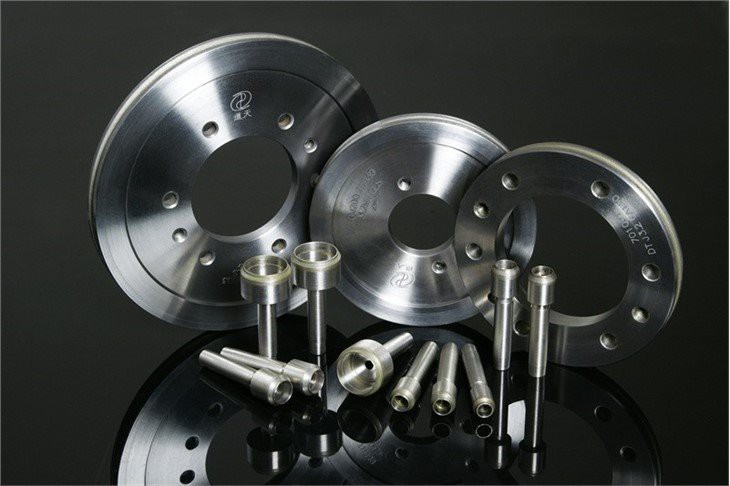
If you're in the market for high-quality grinding tools or have any questions about pressure adjustment, don't hesitate to reach out. We're here to help you find the best solutions for your grinding needs. Whether you're a professional glassworker or a DIY enthusiast, we've got the tools and expertise to support you.
References
- General knowledge and experience in the grinding tools industry.