

How to reduce the noise when using Bystronic Drill Bit?
Jul 14, 2025
Noise is a common concern when using Bystronic Drill Bits, and it can have a significant impact on the working environment, worker health, and overall productivity. As a Bystronic Drill Bit supplier, I understand the importance of addressing this issue. In this blog, I'll share some effective strategies to reduce the noise generated during the operation of Bystronic Drill Bits.
Understanding the Sources of Noise
Before we delve into the solutions, it's crucial to understand where the noise comes from. When using a Bystronic Drill Bit, the noise is primarily generated from three main sources: the interaction between the drill bit and the workpiece, the vibration of the drilling machine, and the air movement around the drilling area.
The interaction between the drill bit and the workpiece is the most significant source of noise. As the drill bit cuts into the material, it creates friction and shock waves, which are transmitted through the air as sound. The vibration of the drilling machine also contributes to the noise level. If the machine is not properly balanced or secured, it can vibrate excessively, leading to increased noise. Additionally, the air movement around the drilling area can cause turbulence, which also generates noise.
Selecting the Right Drill Bit
One of the most effective ways to reduce noise is to select the right drill bit for the job. Bystronic offers a wide range of drill bits, each designed for specific applications. Choosing the appropriate drill bit can significantly reduce the noise level.
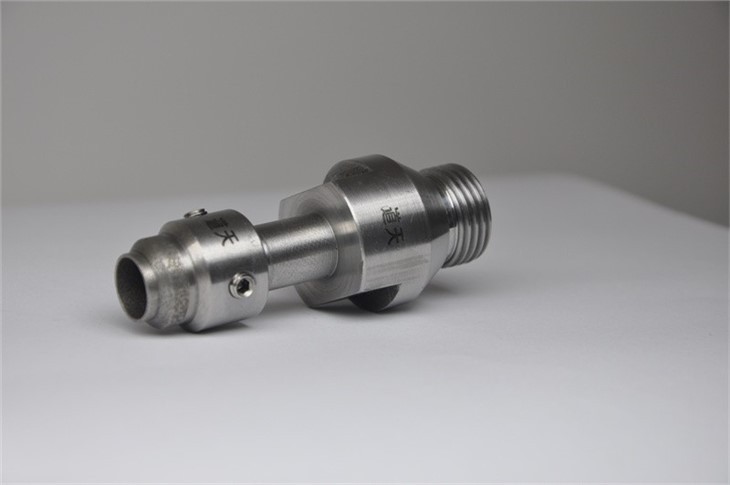
For example, the Threaded Integrated Drill Bit for Automotive Glass is specifically designed for drilling automotive glass. It features a unique threaded design that reduces the friction between the drill bit and the glass, resulting in less noise. Similarly, the CNC Drill Bit is optimized for use in CNC machines. Its precision design ensures smooth cutting, minimizing noise and vibration.
When selecting a drill bit, consider the material you are drilling, the required hole size, and the drilling speed. Using a drill bit that is too small or too large for the job can increase the noise level. Additionally, using a drill bit with a dull cutting edge can also cause excessive noise. Make sure to replace the drill bit regularly to maintain its sharpness.
Proper Machine Setup and Maintenance
Proper machine setup and maintenance are essential for reducing noise. Ensure that the drilling machine is properly balanced and secured to a stable surface. Use vibration-dampening pads or mounts to reduce the vibration of the machine. A well-balanced machine will operate more smoothly, resulting in less noise.
Regular maintenance of the drilling machine is also crucial. Keep the machine clean and lubricated to ensure smooth operation. Check the belts, pulleys, and bearings regularly for wear and tear. Replace any worn-out parts immediately to prevent excessive noise and vibration.
Another important aspect of machine setup is the use of coolant. Coolant helps to reduce the friction between the drill bit and the workpiece, which in turn reduces the noise level. It also helps to extend the life of the drill bit by preventing overheating. Make sure to use the appropriate coolant for the material you are drilling and follow the manufacturer's instructions for its use.

Optimizing Drilling Parameters
Optimizing the drilling parameters can also help to reduce noise. Adjust the drilling speed and feed rate according to the material you are drilling and the size of the drill bit. Using a high drilling speed and a low feed rate can cause the drill bit to overheat and generate more noise. On the other hand, using a low drilling speed and a high feed rate can cause the drill bit to break or damage the workpiece.
Experiment with different drilling parameters to find the optimal settings for your specific application. Start with a low drilling speed and gradually increase it until you find the speed that produces the least amount of noise. Similarly, adjust the feed rate to ensure smooth and efficient cutting.
Using Noise-Reduction Accessories
There are several noise-reduction accessories available that can help to reduce the noise generated during drilling. One such accessory is a drill bit holder with a vibration-dampening feature. This type of holder helps to absorb the vibration of the drill bit, reducing the noise level.
Another useful accessory is a noise-canceling enclosure. A noise-canceling enclosure is a box or cabinet that surrounds the drilling machine, reducing the amount of noise that escapes into the environment. It can be made of sound-absorbing materials such as foam or fiberglass.
You can also use ear protection devices such as earmuffs or earplugs to protect your ears from the noise. While this does not reduce the noise at the source, it can help to protect your hearing and make the working environment more comfortable.
Training and Education
Proper training and education of the operators are essential for reducing noise. Make sure that the operators are trained on the proper use of the drilling machine and the drill bits. They should understand the importance of selecting the right drill bit, optimizing the drilling parameters, and performing regular maintenance of the machine.
Provide the operators with information on the sources of noise and the strategies for reducing it. Encourage them to report any excessive noise or vibration immediately so that it can be addressed promptly.
Conclusion
Reducing the noise when using Bystronic Drill Bits is a multi-faceted approach that involves selecting the right drill bit, proper machine setup and maintenance, optimizing drilling parameters, using noise-reduction accessories, and providing training and education to the operators. By implementing these strategies, you can significantly reduce the noise level, improve the working environment, and enhance the overall productivity of your drilling operations.
If you are interested in learning more about our Bystronic Drill Bits or have any questions regarding noise reduction, please feel free to contact us for a consultation. We are committed to providing you with the best solutions for your drilling needs.
References
- "Drilling Techniques and Noise Reduction" - Industrial Drilling Handbook
- "Selection of Drill Bits for Optimal Performance" - Bystronic Technical Manual
- "Maintenance and Troubleshooting of Drilling Machines" - Machine Tool Maintenance Guide