

How to troubleshoot a grinding tool that is not working properly?
Aug 15, 2025
Hey there! As a supplier of grinding tools, I've seen my fair share of issues with these nifty gadgets not working as they should. In this blog, I'll walk you through some common problems and how to troubleshoot a grinding tool that's giving you trouble.
1. First, Let's Check the Basics
The first thing you gotta do when your grinding tool isn't working right is to look at the most obvious stuff. Start with the power source. Is it plugged in properly? If it's a corded tool, make sure the plug is firmly seated in the outlet, and there are no frayed wires. A loose connection or damaged cord can cause all sorts of problems, like the tool not starting or cutting out unexpectedly.
If it's a cordless tool, check the battery. Is it charged? Sometimes, the battery indicator might be wrong, so try charging it for a bit longer. If the battery is old and doesn't hold a charge like it used to, it might be time for a replacement.
2. Inspect the Grinding Wheel
The grinding wheel is the heart of the tool, so it's crucial to give it a good look. First, check for any visible damage. Cracks, chips, or uneven wear can make the tool perform poorly or even be dangerous to use. If you see any damage, replace the grinding wheel right away.
Also, make sure the wheel is installed correctly. It should be centered and tightened properly. A loose wheel can wobble, causing a rough grind and potentially damaging the tool. If you're not sure how to install the wheel, refer to the tool's manual.
3. Examine the Motor
The motor is what powers the grinding tool, so if it's not working right, the whole thing will be off. Listen for any strange noises coming from the motor. A loud humming, grinding, or clicking sound could indicate a problem. If you hear these noises, it might be a sign of a worn-out bearing, a loose part, or an electrical issue.
Check the motor's ventilation. Overheating can cause the motor to fail, so make sure the vents are clear of dust and debris. You can use a can of compressed air to blow out any dirt that's blocking the vents.
4. Look at the Belt (if applicable)
Some grinding tools use a belt to transfer power from the motor to the wheel. If your tool has a belt, check it for signs of wear and tear. A loose, cracked, or frayed belt can cause the tool to lose power or not work at all.
If the belt is loose, you might be able to adjust it using the tensioning mechanism on the tool. If it's damaged, you'll need to replace it. Make sure to use the correct size and type of belt for your tool.
5. Check the Control Settings
Sometimes, the problem might be as simple as a misconfigured control setting. Check the speed settings on your tool. If it's set too high or too low for the task at hand, it can affect the performance. Refer to the tool's manual to find the recommended speed for the type of material you're grinding.
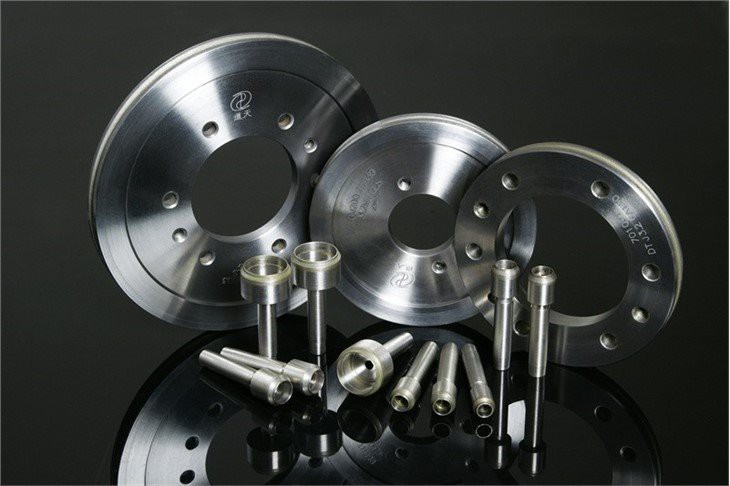

Also, check the pressure settings. Applying too much or too little pressure can make the tool work inefficiently. Experiment with different pressures to find the sweet spot for a smooth and effective grind.
6. Clean the Tool
Dust and debris can build up inside the tool over time, causing it to work poorly. Use a soft brush or a can of compressed air to clean the exterior and interior of the tool. Pay special attention to the areas around the wheel, motor, and vents.
If the tool has a dust collection system, make sure it's working properly. A clogged dust collection system can reduce the tool's performance and also be a health hazard. Empty the dust container regularly and clean the filter as needed.
7. Lubricate Moving Parts
Some grinding tools have moving parts that need to be lubricated to work smoothly. Check the tool's manual to see if there are any parts that require lubrication, such as bearings or gears. Use the recommended lubricant and apply it according to the instructions.
Lubricating the moving parts can reduce friction, prevent wear and tear, and extend the life of the tool.
8. Consider the Workpiece and Environment
The workpiece and the environment in which you're using the tool can also affect its performance. Make sure the workpiece is securely clamped or held in place. A moving workpiece can cause the tool to bounce and produce an uneven grind.
The environment can also play a role. If it's too hot or too cold, it can affect the tool's performance. Extreme temperatures can cause the motor to overheat or the belt to become brittle. Try to work in a temperature-controlled environment if possible.
Our Grinding Tool Offerings
At our company, we offer a wide range of high-quality grinding tools for different applications. Whether you're working on automotive glass, appliance glass, or flat glass, we've got you covered. Check out our Grinding Tools for Automotive Glass, Grinding Tools for Appliance Glass, and Grinding Tools for Flat Glass to find the perfect tool for your needs.
Conclusion
Troubleshooting a grinding tool that's not working properly can be a bit of a headache, but by following these steps, you should be able to identify and fix most common problems. Remember to always refer to the tool's manual for specific instructions and safety guidelines.
If you've tried all these steps and the tool still isn't working, it might be time to contact a professional for further assistance. And if you're in the market for a new grinding tool or need replacement parts, don't hesitate to reach out to us. We're here to help you find the best solution for your grinding needs.
References
- Manufacturer's manuals for grinding tools
- Industry best practices for grinding tool maintenance and troubleshooting