

What is the best angle for using grinding tools on appliance glass?
Jan 06, 2026
Hey there! As a supplier of Grinding Tools for Appliance Glass, I've been getting a lot of questions lately about the best angle for using these tools on appliance glass. So, I thought I'd take a moment to share some insights and tips based on my experience in the industry.
First off, let's talk about why the angle matters. When you're using grinding tools on appliance glass, the angle at which you approach the glass can have a big impact on the quality of the grind, the efficiency of the process, and the overall safety of the operation. Using the wrong angle can lead to uneven grinding, chipping, or even breakage of the glass, which is definitely not what you want.
So, what is the best angle for using grinding tools on appliance glass? Well, the answer isn't always straightforward, as it can depend on a few different factors, such as the type of grinding tool you're using, the thickness and hardness of the glass, and the specific application you're working on. However, there are some general guidelines that can help you get the best results.
Understanding the Basics of Grinding Angles
When it comes to grinding glass, there are two main angles to consider: the angle of the grinding wheel or tool in relation to the glass surface, and the angle of the tool's movement across the glass. Let's take a closer look at each of these angles and how they affect the grinding process.
The Angle of the Grinding Wheel or Tool
The angle of the grinding wheel or tool in relation to the glass surface is crucial for achieving a smooth and even grind. In general, a shallower angle (less than 45 degrees) is preferred for most grinding applications on appliance glass. This is because a shallower angle allows the grinding wheel to make more contact with the glass surface, which helps to distribute the pressure evenly and reduce the risk of chipping or cracking.
For example, when using a diamond grinding wheel to polish the edges of a glass panel, you'll want to hold the wheel at a shallow angle (around 15-20 degrees) to the glass surface. This will allow the diamond particles on the wheel to gently abrade the glass, removing any rough edges or imperfections and leaving a smooth, polished finish.
On the other hand, a steeper angle (greater than 45 degrees) can be used for more aggressive grinding applications, such as removing deep scratches or reshaping the glass. However, it's important to use caution when using a steeper angle, as it can increase the risk of chipping or cracking the glass if not done properly.
The Angle of the Tool's Movement
In addition to the angle of the grinding wheel or tool, the angle of the tool's movement across the glass is also important for achieving a consistent and uniform grind. When grinding appliance glass, it's generally recommended to move the tool in a straight, linear motion across the glass surface, rather than in a circular or zigzag pattern.
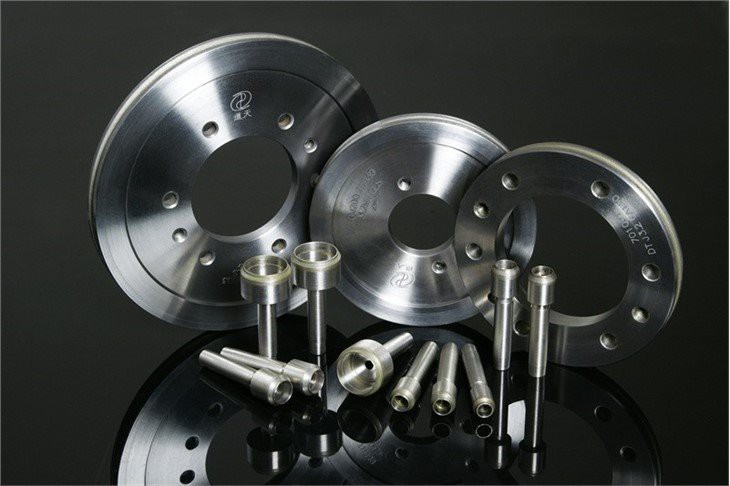

Moving the tool in a straight line helps to ensure that the grinding pressure is evenly distributed across the glass, which reduces the risk of uneven grinding or chipping. It also allows you to maintain better control over the tool and the grinding process, which is especially important when working on delicate or complex glass shapes.
Factors That Affect the Best Grinding Angle
As I mentioned earlier, the best angle for using grinding tools on appliance glass can depend on a few different factors. Here are some of the key factors to consider when determining the optimal grinding angle for your specific application:
Type of Grinding Tool
The type of grinding tool you're using can have a significant impact on the best grinding angle. For example, diamond grinding wheels are typically used for more precise and delicate grinding applications, such as polishing or edge finishing, and require a shallower angle to achieve the best results. On the other hand, abrasive belts or discs are often used for more aggressive grinding applications, such as removing scratches or reshaping the glass, and can tolerate a steeper angle.
Thickness and Hardness of the Glass
The thickness and hardness of the glass also play a role in determining the best grinding angle. Thicker and harder glasses generally require a steeper angle and more pressure to grind effectively, while thinner and softer glasses require a shallower angle and less pressure to avoid chipping or cracking.
For example, when grinding a thick, tempered glass panel, you may need to use a steeper angle and more aggressive grinding tool to remove any scratches or imperfections. However, when grinding a thin, delicate glass panel, you'll want to use a shallower angle and a more gentle grinding tool to avoid damaging the glass.
Specific Application
The specific application you're working on can also influence the best grinding angle. For example, if you're grinding the edges of a glass panel to create a beveled or rounded edge, you'll need to use a different angle than if you're simply polishing the surface of the glass.
Similarly, if you're working on a curved or irregularly shaped glass surface, you'll need to adjust the angle of the grinding tool to follow the contours of the glass and ensure a smooth and even grind.
Tips for Using Grinding Tools at the Best Angle
Now that you understand the basics of grinding angles and the factors that can affect them, here are some tips to help you use your grinding tools at the best angle for your specific application:
Start with a Shallow Angle
When you're first starting to grind a piece of appliance glass, it's a good idea to start with a shallow angle (around 15-20 degrees) and gradually increase the angle as needed. This will help you get a feel for the grinding process and reduce the risk of chipping or cracking the glass.
Use a Light Touch
When grinding appliance glass, it's important to use a light touch and apply only enough pressure to the grinding tool to achieve the desired result. Using too much pressure can cause the grinding wheel or tool to overheat, which can damage the glass and reduce the lifespan of the tool.
Keep the Grinding Tool Moving
To ensure a consistent and uniform grind, it's important to keep the grinding tool moving across the glass surface at a steady pace. Avoid staying in one spot for too long, as this can cause uneven grinding or overheating of the glass.
Use the Right Grinding Tool for the Job
As I mentioned earlier, the type of grinding tool you use can have a significant impact on the best grinding angle. Make sure you're using the right tool for the specific application you're working on, and follow the manufacturer's instructions for use.
Wear Protective Gear
When using grinding tools on appliance glass, it's important to wear appropriate protective gear, such as safety glasses, gloves, and a dust mask. This will help to protect you from any flying debris or dust that may be generated during the grinding process.
Conclusion
In conclusion, the best angle for using grinding tools on appliance glass depends on a variety of factors, including the type of grinding tool, the thickness and hardness of the glass, and the specific application you're working on. By understanding the basics of grinding angles and following the tips outlined in this blog post, you can achieve a smooth, even grind and avoid chipping or cracking the glass.
If you're in the market for high-quality Grinding Tools for Appliance Glass, be sure to check out our selection at Grinding Tools for Appliance Glass. We also offer a range of other grinding tools for automotive glass and flat glass, which you can find at Grinding Tools for Automotive Glass and Grinding Tools for Flat Glass.
If you have any questions or would like to discuss your specific grinding needs, please don't hesitate to contact us. We're here to help you find the best grinding tools for your application and ensure your success.
References
- Glass Grinding and Polishing Handbook, Third Edition by John A. Schreurs
- Industrial Glass Processing Technology by Peter Greil, et al.
- Handbook of Glass Properties by David R. Uhlmann and Norman J. Kreidl