

What is the density of a glassware grinding wheel?
Aug 14, 2025
Hey there, fellow glassware enthusiasts and industry pros! As a supplier of glassware grinding wheels, I often get asked about all sorts of technical details. One question that pops up quite a bit is, "What is the density of a glassware grinding wheel?" Today, I'm gonna break it down for you in a way that's easy to understand.
First off, let's talk about what density means in the context of a grinding wheel. Density refers to how tightly packed the abrasive grains are within the wheel. Think of it like a box of marbles. If you have a lot of marbles packed closely together in the box, it has a high density. If there are only a few marbles with a lot of empty space between them, it has a low density.
In a glassware grinding wheel, the density plays a crucial role in how the wheel performs. A high - density wheel has more abrasive grains in a given area. This means it can remove material from the glassware more quickly. It's great for rough grinding and shaping large pieces of glass. For example, when you're starting to shape a thick glass vase from a big block of glass, a high - density wheel can help you get rid of the excess material fast.
On the other hand, a low - density wheel has fewer abrasive grains. This gives it a more gentle touch. It's perfect for finishing touches, like smoothing out the edges of a glass plate or polishing the surface of a delicate glass ornament. The lower density allows for a finer finish and reduces the risk of chipping or cracking the glass.
Now, let's dig into the factors that affect the density of a glassware grinding wheel. One of the main factors is the type of abrasive material used. Different abrasives have different properties, and some are more suitable for high - density wheels while others work better in low - density ones. For instance, diamond abrasives are often used in high - density wheels because they are extremely hard and can withstand the high pressure of rapid material removal. Silicon carbide, on the other hand, can be used in both high and low - density wheels depending on the application.
The bonding material also plays a role. The bond holds the abrasive grains together in the wheel. A strong bond can support a higher density of abrasive grains, allowing for a more durable and efficient wheel. There are different types of bonds, such as resin bonds, vitrified bonds, and metal bonds. Resin bonds are often used in low - density wheels for their flexibility and ability to provide a smooth finish. Vitrified bonds are popular in high - density wheels because they offer high strength and heat resistance.
When it comes to choosing the right density for your glassware grinding needs, it really depends on the specific job. If you're working on a large - scale glass production line where speed is of the essence, a high - density wheel might be your best bet. You can check out our Bando Grinding Wheel which is known for its high - density and efficient performance.
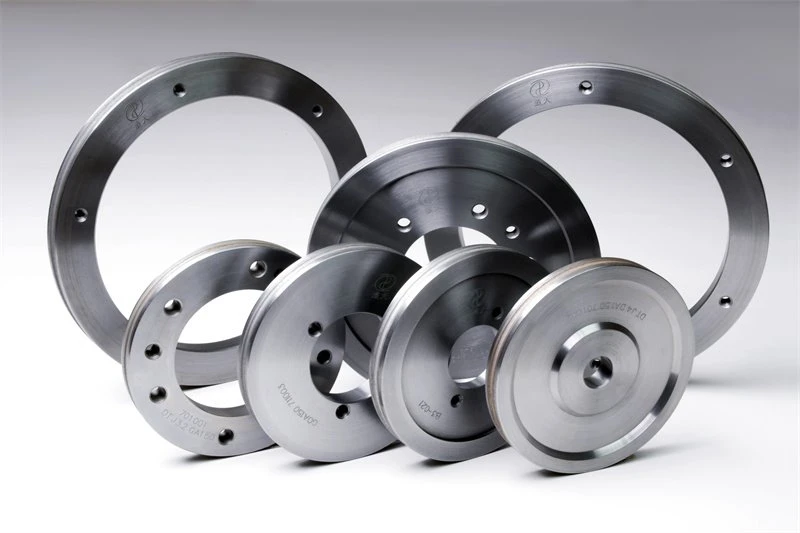

For more precision work, like custom - made glassware or fine - art pieces, a low - density wheel is more appropriate. Our CNC Grinding Wheel offers a great option for these types of jobs. It can be adjusted to different densities depending on the requirements of your project.
Another area where density matters is in sunroof glass production. Sunroof glass needs to be ground and polished to very high standards. A Sunroof Grinding Wheel with the right density is essential to ensure a smooth and flawless finish. The density helps in achieving the right balance between material removal and surface quality.
It's also important to note that the density of a grinding wheel can change over time as it wears down. As the abrasive grains are used up, the effective density of the wheel decreases. This is why it's crucial to regularly inspect your wheels and replace them when they start to lose their effectiveness.
If you're in the market for glassware grinding wheels, we've got a wide range of options to suit your needs. Whether you need a high - density wheel for heavy - duty work or a low - density wheel for precision finishing, we can help you find the perfect match. We understand that every glassware project is unique, and we're here to provide you with the best products and advice.
So, if you're interested in learning more about our glassware grinding wheels or want to discuss your specific requirements, don't hesitate to reach out. We're always happy to have a chat and help you make the right choice for your business. Whether you're a small - scale glass artist or a large - scale glass manufacturer, we've got the solutions you need.
In conclusion, the density of a glassware grinding wheel is a critical factor that affects its performance and the quality of the glassware you're working on. By understanding how density works and choosing the right wheel for your job, you can achieve better results and increase your efficiency. So, next time you're faced with a glassware grinding project, think about the density of the wheel and how it can make a difference.
References
- "Grinding Technology: Theory and Applications of Machining with Abrasives" by M. C. Shaw
- "Handbook of Glass Properties" edited by M. Tomozawa and R. H. Doremus