

What is the maximum thickness of appliance glass that a grinding tool can handle?
Sep 08, 2025
Hey there! As a supplier of Grinding Tools for Appliance Glass, I often get asked about the maximum thickness of appliance glass that our grinding tools can handle. It's a crucial question, especially for those in the glass manufacturing and appliance industries. Let's dive right into it and explore this topic in detail.
Understanding the Basics of Glass Grinding
Before we talk about the maximum thickness, let's quickly go over how glass grinding works. Grinding is a process of removing material from the surface of the glass to achieve a smooth finish, shape the edges, or prepare it for further processing. Our grinding tools use abrasive materials to wear away the glass in a controlled manner. The efficiency and effectiveness of the grinding process depend on several factors, including the type of abrasive, the design of the tool, and of course, the thickness of the glass.
Factors Affecting the Maximum Thickness
There isn't a one - size - fits - all answer to the question of the maximum thickness our grinding tools can handle. It's influenced by multiple factors:
1. Abrasive Material
The type of abrasive we use in our tools plays a significant role. Different abrasives have different hardness levels and cutting capabilities. For instance, diamond abrasives are extremely hard and can handle thicker glass more effectively compared to some other types of abrasives. They can maintain their cutting edge for longer periods, even when grinding through thicker layers of glass.
2. Tool Design
The design of our grinding tools is also crucial. Tools with a well - engineered shape and structure can distribute the grinding force evenly across the glass surface. This helps in preventing cracks and breakages, especially when dealing with thicker glass. Our R & D team is constantly working on improving the tool design to enhance its performance on thicker glass.
3. Machine Power
The power of the grinding machine is another important factor. A more powerful machine can provide the necessary force to grind through thicker glass. Our grinding tools are designed to work in conjunction with a range of machines, but for very thick glass, a high - powered machine is usually required.
Typical Maximum Thicknesses
Based on our experience and the feedback from our customers, our grinding tools can generally handle appliance glass with a thickness ranging from a few millimeters up to around 20 millimeters. However, this can vary depending on the specific tool and the conditions under which the grinding is taking place.

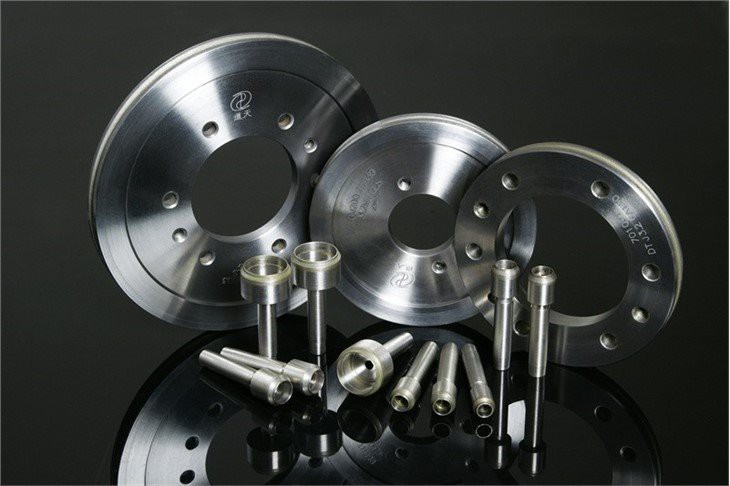
For thinner glass, say between 2 - 5 millimeters, our tools can work very efficiently. They can achieve a high - quality finish quickly and with minimal waste. As the thickness increases, the grinding process may take a bit longer, and we need to adjust the grinding parameters such as the speed and pressure.
When dealing with glass that is around 10 - 20 millimeters thick, we often recommend using our heavy - duty grinding tools. These tools are specifically designed to handle the increased workload and ensure a smooth and accurate grinding process.
Applications and Considerations
Appliance Glass Applications
Appliance glass is used in a wide range of products, from oven doors to refrigerator shelves. The thickness requirements can vary depending on the application. For example, oven doors usually require thicker glass to withstand the high temperatures. Our grinding tools can be customized to meet the specific needs of different appliance manufacturers.
Safety Considerations
When grinding thick glass, safety is of utmost importance. Thicker glass can be more prone to cracking or breaking during the grinding process. We always recommend following proper safety procedures, such as using appropriate protective gear and ensuring that the glass is properly supported.
Comparison with Other Glass Types
It's interesting to compare the maximum thickness our tools can handle for appliance glass with other types of glass. For Grinding Tools for Flat Glass, the maximum thickness can be similar, but the grinding requirements may be different. Flat glass is often used in architectural applications, and a different finish may be required.
When it comes to Grinding Tools for Solar Glass, the thickness is usually thinner, typically in the range of 2 - 4 millimeters. Our tools can handle this type of glass with high precision, ensuring that the solar panels are of the highest quality.
For Grinding Tools for Automotive Glass, the thickness can vary from around 3 - 6 millimeters. The grinding process for automotive glass needs to be very accurate to ensure a proper fit and safety.
How to Choose the Right Tool
If you're in the market for grinding tools for appliance glass, here are some tips on how to choose the right one:
1. Consider the Glass Thickness
As we've discussed, the thickness of the glass you'll be grinding is a key factor. Make sure to choose a tool that can handle the maximum thickness you expect to work with.
2. Look at the Abrasive Quality
The quality of the abrasive material can make a big difference in the performance of the tool. Opt for tools with high - quality abrasives for better results.
3. Check the Tool Compatibility
Ensure that the tool is compatible with your grinding machine. Using an incompatible tool can lead to poor performance and even damage to the machine.
Conclusion
In conclusion, the maximum thickness of appliance glass that our grinding tools can handle depends on several factors, including the abrasive material, tool design, and machine power. Generally, our tools can handle glass up to around 20 millimeters thick, but this can vary. Whether you're working on thin or thick appliance glass, we have the right tools to meet your needs.
If you're interested in purchasing our grinding tools for appliance glass or have any questions about our products, don't hesitate to get in touch. We're always happy to assist you with your procurement needs and provide you with the best solutions for your glass grinding requirements.
References
- Glass Industry Handbook: A comprehensive guide on glass manufacturing and processing.
- Research papers on abrasive materials and their applications in glass grinding.
- Customer feedback and case studies from our experience in supplying grinding tools for appliance glass.