

What is the structure of a grinding wheel?
Nov 03, 2025
As a seasoned grinding wheel supplier, I've witnessed firsthand the pivotal role these tools play in various industries. Understanding the structure of a grinding wheel is essential for both professionals and enthusiasts alike, as it directly impacts performance, efficiency, and the quality of the final product. In this blog post, I'll delve into the intricacies of grinding wheel structure, exploring its components, types, and how they contribute to the overall functionality.
Components of a Grinding Wheel
A grinding wheel is a composite tool composed of abrasive grains and a bonding material. These two primary components work in tandem to create a cutting surface capable of removing material from a workpiece.
Abrasive Grains
Abrasive grains are the cutting agents of a grinding wheel. They are responsible for physically removing material from the workpiece through a process of abrasion. The choice of abrasive grain depends on several factors, including the type of material being ground, the desired finish, and the grinding operation.
- Aluminum Oxide: This is one of the most commonly used abrasive grains due to its versatility and cost-effectiveness. Aluminum oxide is suitable for grinding a wide range of materials, including ferrous metals, non-ferrous metals, and some plastics. It is known for its high toughness and ability to maintain a sharp cutting edge.
- Silicon Carbide: Silicon carbide is a harder and more brittle abrasive grain compared to aluminum oxide. It is particularly effective for grinding non-ferrous metals, ceramics, and glass. Silicon carbide wheels are often used in applications where a fine finish is required.
- Cubic Boron Nitride (CBN): CBN is a synthetic abrasive grain that is second only to diamond in hardness. It is highly resistant to wear and is commonly used for grinding hard materials such as high-speed steel, tool steel, and superalloys. CBN wheels offer excellent performance and long tool life, making them ideal for precision grinding operations.
- Diamond: Diamond is the hardest known material and is used for grinding extremely hard materials such as carbide, ceramics, and glass. Diamond wheels are highly efficient and can achieve very high surface finishes. However, they are also the most expensive type of abrasive grain.
Bonding Material
The bonding material holds the abrasive grains together and provides the necessary support for the grinding wheel. It determines the wheel's strength, porosity, and the ability to withstand the forces generated during grinding. There are several types of bonding materials commonly used in grinding wheels:
- Vitrified Bond: Vitrified bonds are made from a mixture of clay and other ceramic materials. They are the most widely used bonding material due to their high strength, rigidity, and heat resistance. Vitrified wheels are suitable for a wide range of grinding applications and can be used at high speeds.
- Resinoid Bond: Resinoid bonds are made from synthetic resins such as phenolic or epoxy. They offer good flexibility and shock resistance, making them suitable for applications where a smooth finish is required. Resinoid wheels are often used for grinding tools, cutlery, and other precision components.
- Silicate Bond: Silicate bonds are made from sodium silicate and other inorganic materials. They are less commonly used compared to vitrified and resinoid bonds but offer good heat resistance and are suitable for grinding heat-sensitive materials.
- Metal Bond: Metal bonds are made from metals such as bronze or nickel. They are used for grinding hard and brittle materials such as carbide and ceramics. Metal-bonded wheels offer high strength and durability but can be more difficult to dress and true.
Types of Grinding Wheels
In addition to the abrasive grains and bonding material, the structure of a grinding wheel can also vary depending on its shape, size, and the specific application it is designed for. Here are some common types of grinding wheels:
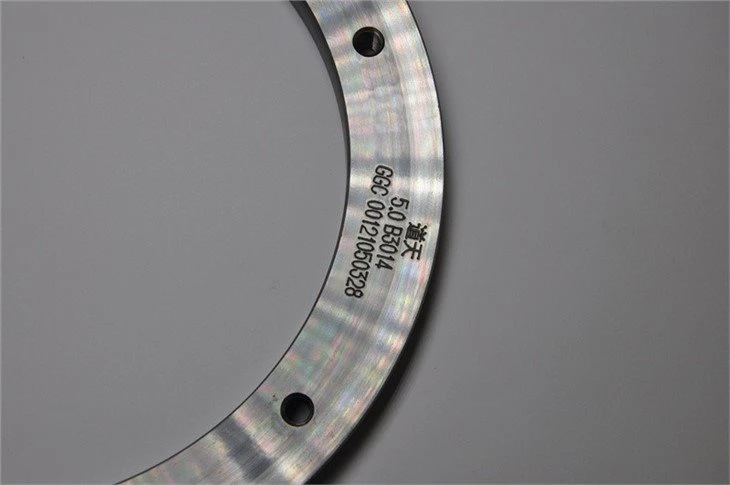

Straight Grinding Wheels
Straight grinding wheels are the most basic type of grinding wheel and are used for a variety of general-purpose grinding applications. They have a flat, cylindrical shape and are typically mounted on a spindle. Straight wheels are available in a wide range of sizes and abrasive types, making them suitable for grinding both flat and cylindrical surfaces.
Cup Grinding Wheels
Cup grinding wheels have a cup-shaped design and are used for grinding flat surfaces, such as the faces of tools and dies. They are often used in conjunction with a surface grinder and can provide a high-quality finish. Cup wheels are available in different diameters and widths to accommodate various grinding requirements.
Dish Grinding Wheels
Dish grinding wheels have a dish-shaped design and are used for grinding concave or convex surfaces. They are commonly used in the tool and die industry for grinding complex shapes and profiles. Dish wheels are available in a variety of sizes and abrasive types to suit different applications.
Tapered Grinding Wheels
Tapered grinding wheels have a tapered shape and are used for grinding bevels, chamfers, and other angled surfaces. They are often used in the metalworking industry for preparing parts for welding or assembly. Tapered wheels are available in different taper angles and abrasive types to meet specific grinding needs.
Specialty Grinding Wheels
In addition to the standard types of grinding wheels, there are also specialty wheels designed for specific applications. For example, Bystronic Grinding Wheel is a high-performance wheel specifically designed for use with Bystronic machines. These wheels offer excellent precision and durability, making them ideal for demanding applications. Another example is the Glassline Profile Modeling Grinding Wheel, which is designed for grinding glass profiles with high accuracy and efficiency. CNC Grinding Wheel is also a popular choice for use in computer numerical control (CNC) grinding machines, offering precise control and consistent performance.
Importance of Grinding Wheel Structure
The structure of a grinding wheel plays a crucial role in determining its performance and suitability for a particular application. Here are some key factors to consider when selecting a grinding wheel:
Abrasive Grain Size
The size of the abrasive grains affects the cutting ability and surface finish of the grinding wheel. Coarser grains are more aggressive and can remove material quickly, but they may also leave a rougher surface finish. Finer grains, on the other hand, are less aggressive but can produce a smoother finish. The choice of grain size depends on the type of material being ground and the desired surface finish.
Bond Hardness
The hardness of the bonding material determines the wheel's ability to hold the abrasive grains in place and resist wear. A harder bond is suitable for grinding hard materials and high-pressure applications, while a softer bond is better for grinding softer materials and applications where a finer finish is required. The bond hardness is typically indicated by a letter code on the wheel's label.
Wheel Porosity
The porosity of a grinding wheel refers to the amount of open space between the abrasive grains. A porous wheel allows for better coolant flow and chip evacuation, which can help prevent overheating and improve the grinding performance. Porous wheels are often used in applications where a large amount of material needs to be removed quickly.
Wheel Speed
The speed at which a grinding wheel rotates is an important factor to consider when selecting a wheel. Each grinding wheel has a maximum recommended speed, which is determined by its design and construction. Operating a wheel at a speed higher than its recommended limit can cause the wheel to break or shatter, posing a serious safety hazard.
Conclusion
In conclusion, understanding the structure of a grinding wheel is essential for achieving optimal performance and efficiency in grinding operations. By considering the abrasive grains, bonding material, and the specific type of wheel, you can select the right tool for your application and ensure high-quality results. As a grinding wheel supplier, I'm committed to providing my customers with the best products and technical support. If you have any questions or need assistance in selecting the right grinding wheel for your needs, please don't hesitate to contact me. I look forward to discussing your requirements and helping you find the perfect solution.
References
- "Grinding Technology: Theory and Applications of Machining with Abrasives" by Brian R. Lawn
- "Handbook of Abrasive Technology" by John R. Schey
- "Modern Grinding Technology" by John R. Davis