

What materials can be ground with a bench grinder?
Jan 13, 2026
A bench grinder is a versatile and essential tool in various industrial and DIY settings. It consists of a motor - driven grinding wheel that can be used for a variety of tasks such as sharpening tools, shaping metal, and removing material. As a reliable Grinding Tools supplier, I've witnessed firsthand the diverse range of materials that can be effectively ground using a bench grinder. In this blog, I will explore in detail the types of materials that are suitable for bench grinder grinding.
Metals
Steel
Steel is one of the most commonly ground metals using a bench grinder. It is widely used in construction, manufacturing, and tool - making. Different types of steel, including carbon steel, stainless steel, and alloy steel, can all be processed. When grinding steel, the heat generated during the process needs to be carefully managed. Excessive heat can cause the steel to lose its hardness, a phenomenon known as annealing. This can be mitigated by using a coolant or grinding in short intervals to allow the material to cool. Our Grinding Tools for Flat Glass can also be customized and used in some metal - grinding processes where precision is required, not just for glass.
Aluminum
Aluminum is a lightweight and corrosion - resistant metal, commonly used in aerospace, automotive, and consumer products. Grinding aluminum on a bench grinder can be a bit tricky because it has a low melting point and is prone to clogging the grinding wheel. To prevent this, a wheel with the appropriate grit and porosity should be selected. A coarse - grit wheel can be used to remove large amounts of material quickly, while a finer - grit wheel can be used for finishing. The chips produced during aluminum grinding are also highly flammable, so proper safety measures such as using a dust collection system must be in place.
Copper and Brass
Copper and brass are soft metals with excellent electrical and thermal conductivity. They are often used in electrical components, plumbing fixtures, and decorative items. When grinding these metals, a fine - grit wheel is usually recommended to achieve a smooth finish. These metals are relatively easy to grind, but they can smear on the grinding wheel if the pressure is too high. Regular dressing of the wheel is necessary to maintain its cutting efficiency.
Ceramics
Ceramics are hard, brittle materials with high heat resistance and wear resistance. They are used in a wide range of applications, including electronics, aerospace, and automotive industries. Grinding ceramics on a bench grinder requires a diamond - or CBN (Cubic Boron Nitride) - bonded wheel due to their extreme hardness. These wheels are designed to cut through the ceramic material without causing excessive chipping or cracking. The grinding process should be carried out at a slow speed and with a light feed rate to ensure precision and prevent damage to the ceramic. Our company offers specialized grinding tools that are suitable for ceramic grinding, ensuring high - quality results.
Glass
Solar Glass
Solar glass is a critical component in solar panels. It needs to be ground to very precise specifications to ensure maximum light transmission and durability. For grinding solar glass, we offer Grinding Tools for Solar Glass. These tools are designed to provide a smooth finish and high precision, which is essential for the performance of solar panels. The grinding process for solar glass is highly specialized, as any imperfections can reduce the efficiency of the solar cell.
Automotive Glass
Automotive glass, such as windshields and side windows, also requires grinding for proper fitting and finishing. Our Grinding Tools for Automotive Glass are engineered to meet the strict requirements of the automotive industry. They can effectively remove excess material, smooth the edges, and ensure a perfect seal. Grinding automotive glass demands high - quality tools to avoid any safety risks associated with the glass breaking or having uneven edges.
Flat Glass
Flat glass is used in a variety of applications, from windows in buildings to display cases. The grinding of flat glass mainly focuses on edging and finishing. Our Grinding Tools for Flat Glass can be adjusted to create different edge profiles, such as beveled, polished, or bull - nosed edges. This versatility allows for a wide range of design options in architectural and decorative applications.
Stones and Gemstones
Grinding stones and gemstones on a bench grinder can bring out their natural beauty and create unique shapes and finishes. Common stones like granite, marble, and quartz can be ground for countertop fabrication, monument carving, and jewelry making. For precious and semi - precious gemstones such as diamonds, rubies, and sapphires, special grinding wheels with high - quality abrasives are needed. The process requires a high level of skill and precision to avoid damaging the stones. When grinding stones, it is important to use a coolant to prevent the generation of excessive heat, which can cause the stone to crack or change its color.
Plastics
Plastics are widely used in various industries due to their lightweight, low cost, and easy - to - process nature. Some plastics can be ground on a bench grinder, but care must be taken. Soft plastics like polyethylene and polypropylene can melt easily under the heat generated by grinding. Therefore, a low - speed grinding process and the use of a coolant or lubricant are recommended. Hard plastics, such as polycarbonate and acrylic, can tolerate more heat and are relatively easier to grind. However, they can also produce a lot of dust, so proper ventilation and dust collection systems are necessary.
Wood
Although not as common as metal or glass grinding, wood can also be ground with a bench grinder in certain situations. For example, when shaping wooden dowels or creating a smooth finish on wooden edges. A coarse - grit wheel can be used to quickly remove large amounts of wood, while a finer - grit wheel can be used for the final finishing. It is important to note that wood grinding can produce a large amount of sawdust, which is a fire hazard. Adequate dust extraction and fire prevention measures should be in place.

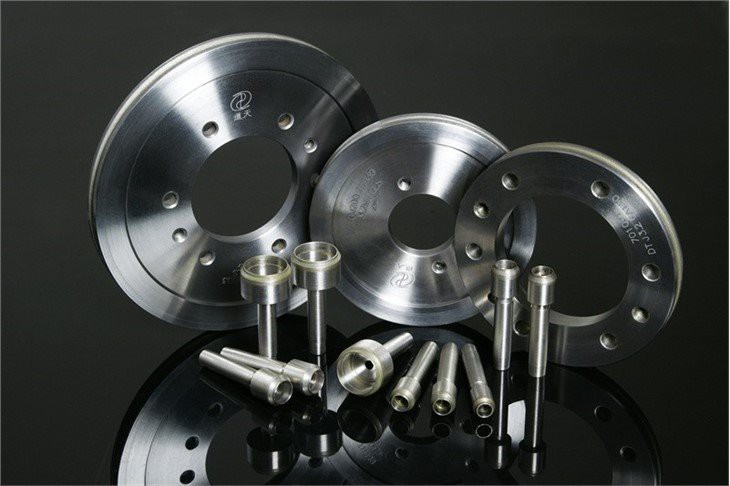
When deciding on the right grinding tool for a particular material, it is crucial to consider factors such as the hardness of the material, the required finish, and the quantity of material to be removed. As a Grinding Tools supplier, we have a wealth of experience in providing customized grinding solutions for different materials. Whether you are working on a small DIY project or a large - scale industrial operation, we can offer you the most suitable tools to meet your needs.
If you are interested in our Grinding Tools and want to find out more about which products are best for your specific grinding requirements, don't hesitate to contact us for a detailed discussion. We look forward to assisting you in achieving the best grinding results.
References
- "Handbook of Abrasive Technology" by Ian G. Richardson
- "Advanced Materials Grinding and Finishing" edited by Yingchun Zhou and Yifan Chen
- Industry - specific standards and guidelines for metal, glass, and ceramic grinding.