

Is it necessary to lubricate a diamond drill bit when drilling flat glass?
Oct 17, 2025
Hey there! As a supplier of Diamond Drill Bits for Flat Glass, I often get asked a bunch of questions from customers. One of the most common ones is, "Is it necessary to lubricate a diamond drill bit when drilling flat glass?" Well, let's dig into this topic and find out.
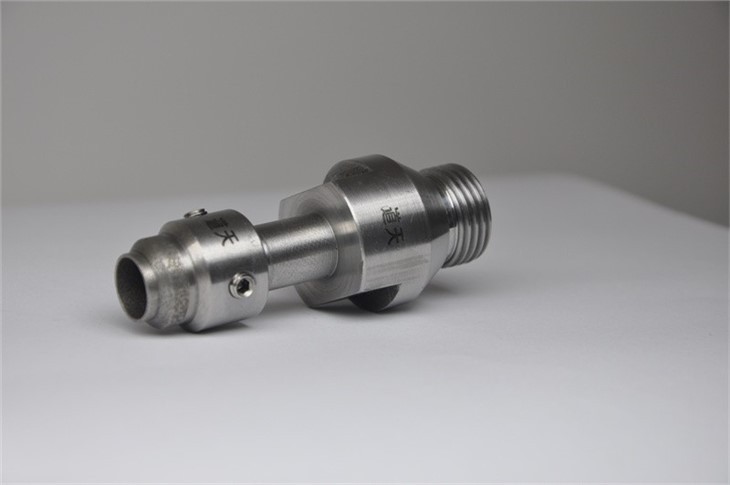
First off, let's talk a bit about diamond drill bits. Diamond drill bits are super useful when it comes to drilling through flat glass. They're made with industrial diamonds on the tip, which are incredibly hard and can cut through glass like a hot knife through butter. We offer different types of diamond drill bits, like the Bando Drill Bit, the Threaded Integrated Drill Bit for Automotive Glass, and the Straight Shank Diamon Drill Bit. Each type has its own features and is suitable for different glass - drilling tasks.
Now, back to the main question: Is lubrication necessary? The short answer is, it depends. There are several factors to consider.
The Benefits of Lubricating a Diamond Drill Bit
Cooling
One of the biggest advantages of using lubrication when drilling flat glass with a diamond drill bit is cooling. Drilling generates heat. When you're pushing a drill bit through glass, the friction between the bit and the glass creates a significant amount of heat. If this heat isn't managed properly, it can cause a few problems.
For starters, excessive heat can damage the diamond coating on the drill bit. The diamonds are held in place by a metal bond, and high temperatures can weaken this bond. As a result, the diamonds might start to fall off the bit, reducing its cutting efficiency and lifespan. Lubrication helps to dissipate the heat, keeping the drill bit at a more reasonable temperature and ensuring that the diamonds stay firmly attached.
Chip Removal
Another benefit of lubrication is that it helps with chip removal. As the drill bit cuts through the glass, tiny glass chips are created. If these chips aren't removed from the drilling area, they can interfere with the cutting process. They might get stuck between the drill bit and the glass, causing the bit to skip or produce an uneven hole.
Lubrication acts as a flushing agent. It washes away the glass chips, allowing the drill bit to keep cutting smoothly. This leads to cleaner, more precise holes in the flat glass.
Reducing Friction
Lubrication also reduces friction between the drill bit and the glass. Less friction means less wear and tear on the drill bit. When there's less friction, the drill bit doesn't have to work as hard to cut through the glass. This not only extends the life of the drill bit but also makes the drilling process faster and more energy - efficient.
Situations Where Lubrication Might Not Be Necessary
Small Holes
If you're only drilling small holes in the flat glass, lubrication might not be strictly necessary. For example, if you're making holes that are less than 3 - 4 mm in diameter, the heat generated during the drilling process is relatively low. The drill bit can usually handle this amount of heat without significant damage. Also, the glass chips produced from small holes are easier to remove without the help of lubrication.

Low - Speed Drilling
When you're drilling at a very low speed, the heat generated is also reduced. If you're taking your time and using a slow drill speed, the drill bit won't heat up as much, and the need for lubrication is diminished. However, keep in mind that drilling too slowly can also be a problem as it might cause the glass to crack due to the prolonged pressure.
Types of Lubricants
There are a few different types of lubricants that you can use when drilling flat glass with a diamond drill bit.
Water
Water is one of the most commonly used lubricants. It's cheap, easily available, and does a great job of cooling and flushing away glass chips. You can simply dip the drill bit in water or use a spray bottle to keep the drilling area wet. However, water can cause some corrosion over time, especially if the drill bit isn't dried properly after use.
Cutting Oils
Cutting oils are another option. They provide better lubrication and anti - corrosion properties compared to water. There are different types of cutting oils, such as mineral - based and synthetic - based oils. Mineral - based cutting oils are usually less expensive, while synthetic - based oils offer better performance in extreme conditions.
Specialized Glass - Drilling Lubricants
There are also specialized lubricants designed specifically for glass drilling. These lubricants are formulated to work well with glass and diamond drill bits. They often have additives that enhance cooling, chip removal, and anti - corrosion properties.
Tips for Drilling Flat Glass with a Diamond Drill Bit
Regardless of whether you choose to use lubrication or not, there are some general tips that can help you get the best results.
- Use the Right Drill Speed: Different glass thicknesses and hole sizes require different drill speeds. As a general rule, slower speeds are better for thicker glass and larger holes.
- Apply Steady Pressure: Don't push too hard on the drill. Applying steady, gentle pressure will help you get a clean hole without cracking the glass.
- Mark the Drilling Spot: Use a marker or a piece of tape to mark the exact spot where you want to drill. This will ensure that you drill in the right place.
Conclusion
So, is it necessary to lubricate a diamond drill bit when drilling flat glass? It really boils down to your specific drilling situation. If you're drilling large holes, at high speeds, or for an extended period, lubrication is highly recommended. It will help you get better results, extend the life of your drill bit, and ensure that your holes are clean and precise.
If you're in the market for high - quality diamond drill bits for flat glass, we've got you covered. Our range of Bando Drill Bit, Threaded Integrated Drill Bit for Automotive Glass, and Straight Shank Diamon Drill Bit are designed to meet your glass - drilling needs.
If you have any questions about our products or need advice on glass drilling, feel free to reach out. We're always happy to help you make the right choice for your projects. Whether you're a professional glass installer or a DIY enthusiast, we're here to support you in getting the best results with your glass - drilling tasks.
References
- Glass Drilling Handbook, Glass Industry Press
- Diamond Tools: Properties and Applications, Tool Technology Journal
- Practical Guide to Glass Processing, Glass Manufacturing Magazine