

What are the technical parameters of a sunroof grinding wheel?
Jan 01, 2026
As a dedicated supplier of sunroof grinding wheels, I am often asked about the technical parameters that define these essential tools. Understanding these parameters is crucial for anyone involved in the manufacturing, processing, or quality control of sunroofs. In this blog post, I will delve into the key technical parameters of sunroof grinding wheels, shedding light on their significance and how they impact the performance of the grinding process.
Abrasive Material
The abrasive material is the heart of a grinding wheel, responsible for removing material from the workpiece during the grinding process. For sunroof grinding wheels, the choice of abrasive material depends on several factors, including the type of glass or other materials being ground, the required surface finish, and the grinding efficiency.

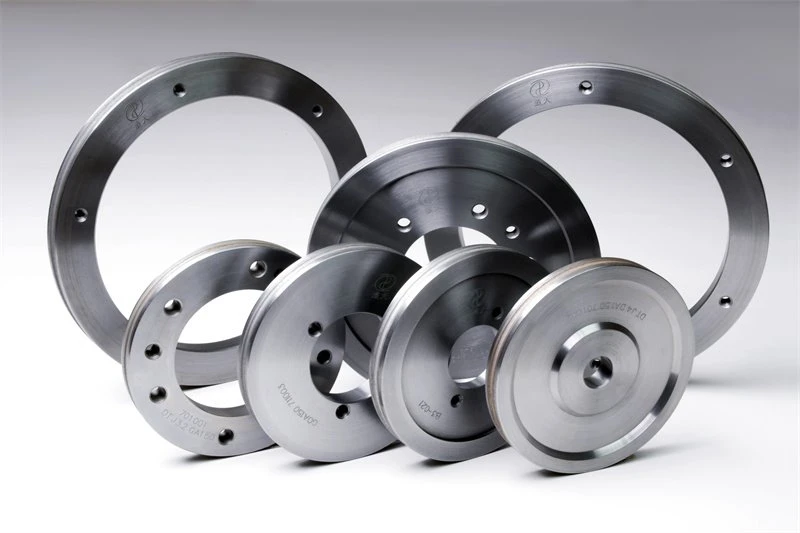
One of the most commonly used abrasive materials for sunroof grinding is diamond. Diamond is an extremely hard and durable material, making it ideal for grinding hard and brittle materials such as glass. It offers high cutting efficiency, long wheel life, and the ability to achieve a fine surface finish. Our Diamond Grinding Wheel for Solar Glass is specifically designed for grinding solar glass and other high - precision glass applications, including sunroofs.
Another option is cubic boron nitride (CBN). CBN is also a very hard abrasive, but it has different properties compared to diamond. CBN is more suitable for grinding ferrous materials and can offer excellent performance in certain applications where diamond may not be the best choice.
Grain Size
The grain size of the abrasive material is another important parameter. It refers to the size of the individual abrasive particles in the grinding wheel. A smaller grain size generally results in a finer surface finish but may have lower cutting efficiency. Conversely, a larger grain size provides higher cutting rates but may leave a rougher surface.
For sunroof grinding, a medium - to - fine grain size is often preferred. This allows for a good balance between achieving a smooth surface finish and efficient material removal. The grain size is typically specified using a standardized scale, such as the mesh size in the United States or the FEPA (Federation of European Producers of Abrasives) scale in Europe.
Bond Type
The bond is the material that holds the abrasive grains together in the grinding wheel. Different bond types have different properties, which can affect the performance, durability, and wear characteristics of the grinding wheel.
- Resin Bond: Resin - bonded grinding wheels are widely used in sunroof grinding applications. Resin bonds offer good flexibility, which helps to absorb shock and vibration during the grinding process. They also provide a relatively fast cutting action and can be dressed easily. However, resin - bonded wheels may have a shorter lifespan compared to some other bond types.
- Metal Bond: Metal - bonded grinding wheels are known for their high strength and durability. They can withstand high grinding pressures and are suitable for heavy - duty grinding operations. Metal bonds are often used when grinding hard materials or when a long wheel life is required. However, they may be more difficult to dress compared to resin - bonded wheels.
- Vitrified Bond: Vitrified - bonded grinding wheels are made by fusing the abrasive grains with a glass - like bond material. They offer excellent dimensional stability, high grinding efficiency, and a long service life. Vitrified bonds are also resistant to heat and chemical attack, making them suitable for a wide range of grinding applications, including sunroof grinding.
Wheel Hardness
Wheel hardness refers to the ability of the bond to hold the abrasive grains in place during the grinding process. A harder wheel will hold the grains more firmly, resulting in slower wear but potentially lower cutting efficiency. A softer wheel, on the other hand, will release the worn - out grains more easily, allowing new grains to come into contact with the workpiece and providing a faster cutting action.
The hardness of a sunroof grinding wheel is selected based on the material being ground, the grinding conditions, and the desired surface finish. For example, when grinding hard glass materials, a harder wheel may be used to ensure a consistent surface finish and longer wheel life. When a faster material removal rate is required, a softer wheel may be more appropriate.
Wheel Structure
The structure of a grinding wheel refers to the spacing between the abrasive grains and the amount of porosity in the wheel. A more open structure (with larger spacing between the grains) allows for better chip evacuation, which is important for preventing clogging and overheating during the grinding process. An open - structured wheel is often used for high - material - removal applications or when grinding soft or gummy materials.
A denser structure (with smaller spacing between the grains) provides a finer surface finish but may be more prone to clogging. The structure of the sunroof grinding wheel is carefully selected to match the specific grinding requirements, taking into account factors such as the type of material, the grinding speed, and the feed rate.
Diameter and Thickness
The diameter and thickness of the sunroof grinding wheel are also important technical parameters. The diameter of the wheel affects the peripheral speed, which is a critical factor in determining the grinding performance. A larger diameter wheel generally provides a higher peripheral speed, which can result in more efficient material removal and a better surface finish. However, larger wheels may also require more power and may be more difficult to handle.
The thickness of the wheel is determined by the width of the grinding operation and the required depth of cut. A thicker wheel can withstand higher grinding pressures and is suitable for heavy - duty grinding operations. A thinner wheel may be used for more precise grinding or when space is limited.
Speed Rating
Every grinding wheel has a maximum speed rating, which indicates the maximum rotational speed at which the wheel can be safely operated. Exceeding the speed rating can cause the wheel to break apart, posing a serious safety hazard. The speed rating is typically marked on the wheel and should be strictly followed during the grinding process.
When selecting a sunroof grinding wheel, it is important to ensure that the wheel's speed rating is compatible with the speed of the grinding machine. This will ensure safe and efficient operation.
Truing and Dressing
Truing and dressing are important processes that help to maintain the performance of the sunroof grinding wheel. Truing is the process of restoring the wheel's shape and concentricity, while dressing is the process of removing the dulled abrasive grains and exposing new, sharp grains.
A Dressing Stick is a commonly used tool for dressing grinding wheels. Regular truing and dressing can improve the surface finish, increase the grinding efficiency, and extend the life of the grinding wheel.
Compatibility with CNC Machines
In modern manufacturing, many sunroof grinding operations are performed using Computer Numerical Control (CNC) machines. When supplying sunroof grinding wheels, it is important to ensure that the wheels are compatible with CNC machines. CNC Grinding Wheels are designed to meet the high - precision requirements of CNC grinding operations, offering accurate and repeatable performance.
Conclusion
In conclusion, the technical parameters of a sunroof grinding wheel play a crucial role in determining its performance, efficiency, and suitability for specific grinding applications. From the choice of abrasive material and grain size to the bond type, wheel hardness, and structure, each parameter must be carefully considered to achieve the best results.
As a supplier of sunroof grinding wheels, I am committed to providing high - quality products that meet the specific needs of our customers. Whether you are looking for a diamond - bonded wheel for precision grinding or a metal - bonded wheel for heavy - duty applications, we have the expertise and the product range to support your requirements.
If you are interested in purchasing sunroof grinding wheels or have any questions about the technical parameters, please feel free to contact us for a detailed discussion. We are here to help you find the best grinding solutions for your sunroof manufacturing processes.
References
- American National Standards Institute (ANSI). Safety requirements for the use, care, and protection of grinding wheels.
- Federation of European Producers of Abrasives (FEPA). Standards for abrasive products.
- Industrial Grinding Handbook. Various authors, covering different aspects of grinding technology.