

What is the life expectancy of a drill bit?
Nov 05, 2025
The life expectancy of a drill bit is a crucial consideration for both industrial users and DIY enthusiasts. As a drill bit supplier, I've encountered numerous inquiries regarding how long a drill bit can last. In this blog, I'll delve into the factors that influence the lifespan of drill bits and provide some insights on maximizing their usage.
Factors Affecting the Life Expectancy of Drill Bits
Material of the Drill Bit
The material of a drill bit plays a significant role in determining its life expectancy. Common materials include high - speed steel (HSS), cobalt steel, and carbide.
High - speed steel drill bits are relatively affordable and suitable for general - purpose drilling in materials such as wood, plastic, and soft metals like aluminum. They can withstand moderate heat generated during drilling. However, their hardness and wear resistance are limited compared to other materials. In normal workshop conditions, when used for light - to - medium - duty tasks, an HSS drill bit might last for several hundred holes, depending on the thickness and hardness of the material being drilled.
Cobalt steel drill bits are an upgrade from HSS. They contain a certain percentage of cobalt, which enhances their heat resistance and hardness. This makes them ideal for drilling harder metals such as stainless steel. Cobalt drill bits can last significantly longer than HSS bits when drilling tough materials. They can endure the high heat and friction generated during the drilling process, often providing a lifespan that is two to three times longer than HSS bits under similar conditions.
Carbide drill bits are the most durable option. Carbide is extremely hard and wear - resistant. These bits are commonly used in high - speed machining operations, such as those in the aerospace and automotive industries. Carbide drill bits can maintain their cutting edge for a long time, even when drilling through very hard materials like titanium or hardened steel. They can last thousands of holes, but they are also more expensive than HSS and cobalt bits.
Type of Material Being Drilled
The material you are drilling has a direct impact on the life of the drill bit. Softer materials like wood and plastic are much easier on drill bits. Wood, for example, has a relatively low density and offers less resistance to the drill bit. A drill bit used for woodworking can last a long time, often hundreds or even thousands of holes, depending on the size and quality of the bit.
On the other hand, drilling through hard metals like stainless steel or cast iron is much more demanding. These materials generate a lot of heat and friction during the drilling process, which can quickly wear down the cutting edge of the drill bit. The harder the material, the shorter the life expectancy of the drill bit. For instance, when drilling stainless steel, a standard HSS drill bit may only last for a few dozen holes before it needs to be sharpened or replaced.
Drilling Speed and Feed Rate
The speed at which the drill bit rotates and the rate at which it is fed into the material are critical factors. If the drilling speed is too high, the drill bit will generate excessive heat, which can cause the cutting edge to lose its hardness and wear out quickly. Conversely, if the speed is too low, the drill bit may not cut efficiently, leading to increased friction and wear.
The feed rate, which is the rate at which the drill bit is advanced into the material, also matters. A proper feed rate ensures that the drill bit cuts cleanly and efficiently. If the feed rate is too high, the drill bit may break or become overloaded. If it is too low, the drill bit may rub against the material instead of cutting it, resulting in premature wear.
Coolant and Lubrication
Using coolant or lubricant during the drilling process can significantly extend the life of a drill bit. Coolants help to dissipate heat generated during drilling, reducing the risk of the drill bit overheating and losing its hardness. Lubricants, on the other hand, reduce friction between the drill bit and the material, making the drilling process smoother and more efficient.
For example, when drilling metals, a cutting fluid can be applied to the drill bit and the workpiece. This fluid not only cools the drill bit but also flushes away chips, preventing them from clogging the drill bit and causing additional wear. In some cases, using the right coolant or lubricant can double or even triple the life expectancy of a drill bit.
Maximizing the Life Expectancy of Drill Bits
Selecting the Right Drill Bit
Choosing the appropriate drill bit for the job is the first step in maximizing its lifespan. If you are drilling wood, an HSS drill bit will usually suffice. For harder metals, consider using cobalt or carbide drill bits. For instance, if you are working on a CNC machining project, CNC Drill Bit specifically designed for that application can offer better performance and longevity.
Maintaining Proper Drilling Conditions
As mentioned earlier, controlling the drilling speed and feed rate is essential. Refer to the manufacturer's recommendations for the optimal speed and feed rate for the drill bit and the material being drilled. Additionally, make sure to use coolant or lubricant whenever possible.
Regular Maintenance
Regularly inspecting and maintaining drill bits can also extend their life. Check the cutting edge of the drill bit for signs of wear or damage. If the drill bit becomes dull, it can be sharpened using a suitable sharpening tool. However, be careful not to over - sharpen the drill bit, as this can reduce its hardness and durability.
Examples of Drill Bit Life Expectancy in Different Applications
Woodworking
In woodworking, a high - quality HSS drill bit can last for a very long time. For example, a 1/4 - inch HSS drill bit used for drilling holes in pine boards for a home DIY project can easily drill hundreds of holes. If the drill bit is used properly, with the right speed and feed rate, and is maintained regularly, it can last for years.

Metalworking
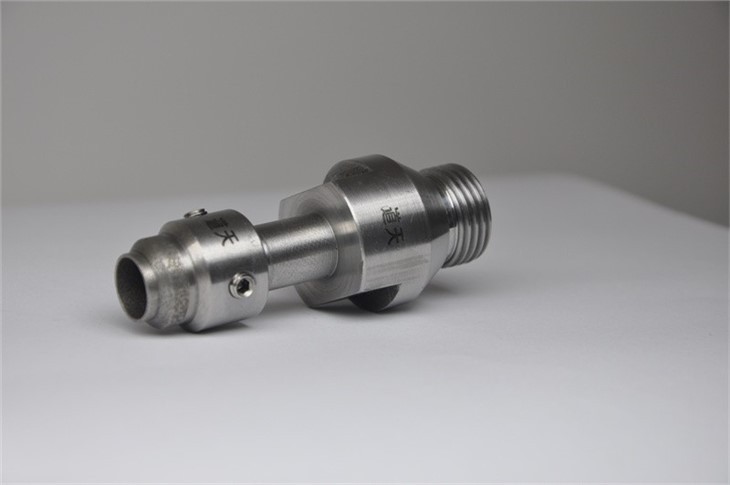
In metalworking, the life expectancy varies depending on the type of metal and the drill bit material. A cobalt drill bit used for drilling mild steel in a workshop setting may last for several hundred holes. However, when drilling stainless steel, the same drill bit may only last for a few dozen holes. Bando Drill Bit is a great option for metalworking applications, offering good durability and performance.
Automotive Glass Drilling
When it comes to drilling automotive glass, a specialized drill bit is required. Split Drill Bit for Automotive Glass is designed to cut through glass without cracking or chipping it. These drill bits can last for a reasonable number of holes, but their life expectancy is also affected by factors such as the quality of the glass and the drilling technique used.
Conclusion
The life expectancy of a drill bit is influenced by multiple factors, including the material of the drill bit, the type of material being drilled, drilling speed and feed rate, and the use of coolant or lubricant. By understanding these factors and taking appropriate measures, such as selecting the right drill bit, maintaining proper drilling conditions, and performing regular maintenance, you can maximize the lifespan of your drill bits.
If you are in the market for high - quality drill bits, whether for industrial use or DIY projects, we are here to help. As a drill bit supplier, we offer a wide range of drill bits to meet your specific needs. Contact us to discuss your requirements and start a procurement negotiation. We are committed to providing you with the best products and services.
References
- "Machining Fundamentals" by Industrial Press Inc.
- "Handbook of Machining with Cutting Tools" by Yoram Koren.