

What is the lifespan of a rear window grinding wheel under normal use?
Nov 11, 2025
Hey there! As a supplier of rear window grinding wheels, I often get asked about how long these wheels last under normal use. It's a crucial question, especially for those in the glass - processing industry. In this blog, I'll break down the factors that affect the lifespan of rear window grinding wheels and give you a ballpark estimate of how long you can expect them to serve you.
Understanding Rear Window Grinding Wheels
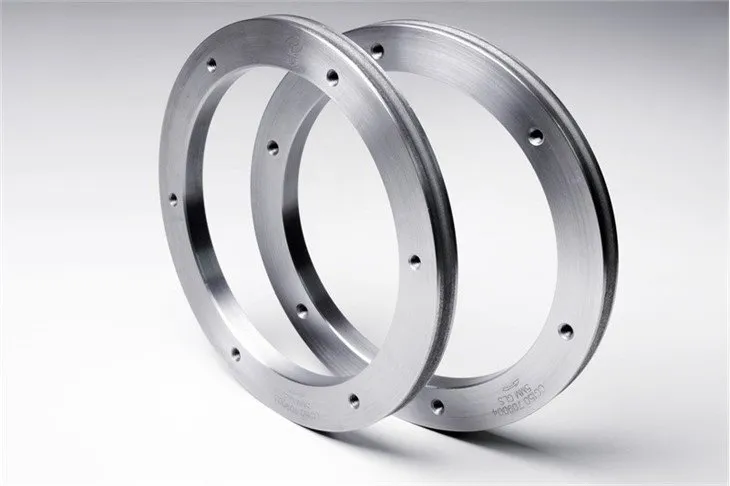
Before we dive into the lifespan, let's quickly go over what rear window grinding wheels are. These wheels are specifically designed for grinding the edges of rear windows, usually made of glass. They come in different shapes, sizes, and grits to meet various grinding requirements. Whether you're dealing with tempered glass, laminated glass, or other types of automotive glass, there's a rear window grinding wheel tailored to the job.
Factors Affecting the Lifespan
1. Wheel Quality
The quality of the grinding wheel is a no - brainer when it comes to lifespan. High - quality wheels are made with better materials and more precise manufacturing processes. They're less likely to wear out quickly or break during use. For example, wheels with a well - bonded abrasive layer can maintain their cutting ability for a longer time compared to those with a weak bond. As a supplier, I always recommend investing in top - notch wheels, even if they cost a bit more upfront. You'll save money in the long run by not having to replace them as often.
2. Grinding Material
The type of glass you're grinding plays a huge role. Different glasses have different hardness levels. For instance, tempered glass is much harder than regular float glass. When you're grinding a harder material, the grinding wheel has to work harder, which can lead to faster wear. So, if you're mainly working with tough materials like tempered rear windows, expect the wheel to have a shorter lifespan compared to when you're grinding softer glass.
3. Grinding Pressure
How much pressure you apply during the grinding process matters big time. Applying too much pressure can cause the abrasive particles on the wheel to break off prematurely. On the other hand, if the pressure is too light, the wheel might not grind effectively, and you'll end up spending more time on each job, which can also contribute to overall wear. Finding the right balance is key. It usually takes a bit of practice to get the pressure just right.
4. Grinding Speed
The speed at which you run the grinding machine is another factor. Running the machine at an overly high speed can generate excessive heat, which can damage the wheel and reduce its lifespan. Conversely, a very low speed might not be efficient enough and can cause uneven wear on the wheel. Most grinding wheels come with recommended speed ranges, and it's important to stick to them.
Average Lifespan Estimates
Based on my experience as a rear window grinding wheel supplier, under normal use conditions (average grinding pressure, appropriate grinding speed, and working with common types of automotive glass), a rear window grinding wheel can last anywhere from 100 to 300 hours of grinding time. However, this is just a rough estimate.
If you're using a Double Edge Grinding Wheel, which is designed for more versatile grinding tasks, you might get closer to the upper end of that range, especially if you're using it for lighter grinding jobs. On the other hand, if you're using a Diamond Grinding Wheel for Appliance Glass on tough tempered glass, the lifespan could be closer to the lower end.

Signs That Your Grinding Wheel Needs Replacement
It's important to keep an eye out for signs that your grinding wheel is nearing the end of its lifespan. One of the most obvious signs is a decrease in grinding efficiency. If you notice that the wheel is taking longer to grind the same amount of glass or if it's leaving rough edges, it might be time for a new one.
Another sign is excessive vibration during the grinding process. This can indicate that the wheel is worn unevenly or that some of the abrasive particles have come loose. If you see cracks or chips on the wheel, that's a clear red flag. Using a damaged wheel can be dangerous and will only lead to poor - quality grinding results.
Extending the Lifespan of Your Grinding Wheel
There are a few things you can do to make your rear window grinding wheel last longer. First, always follow the manufacturer's instructions regarding grinding pressure, speed, and machine settings. Second, keep the wheel clean. After each use, remove any glass dust or debris from the wheel surface. This can prevent clogging and ensure that the abrasive particles can work effectively.
Also, store the wheels properly. Keep them in a dry, cool place away from direct sunlight and moisture. This can prevent the wheel from deteriorating when it's not in use.
Other Types of Grinding Wheels
If you're in the glass - processing business, you might also be interested in Fine Glassware Grinding Wheel. These wheels are great for more delicate glass items, such as glassware or decorative glass pieces. They offer a finer finish and are designed to work with less pressure.
Contact Us for Your Grinding Wheel Needs
If you're looking for high - quality rear window grinding wheels or any other types of grinding wheels, we're here to help. We've got a wide range of products to suit different needs and budgets. Whether you're a small glass shop or a large automotive glass manufacturer, we can provide you with the right grinding wheels for the job.
Get in touch with us to discuss your requirements and start a great business partnership. We're always happy to offer advice and answer any questions you might have about our products.
References
- "Grinding Technology: Theory and Applications of Machining with Abrasives" by Stephen Malkin
- Industry reports on glass - processing and grinding wheel performance.