

What is the recommended angle for grinding with a certain tool?
Sep 01, 2025
Hey there! As a supplier of grinding tools, I often get asked about the recommended angle for grinding with a certain tool. It's a crucial question because the right grinding angle can significantly impact the quality of the work, the lifespan of the tool, and overall efficiency. So, let's dive into this topic and explore what angles work best in different scenarios.
First off, it's important to understand that the ideal grinding angle varies depending on the type of material you're working with and the specific tool you're using. For instance, when it comes to grinding metal, the angle can make a huge difference in how well the tool cuts through the material and how much heat is generated.
Let's start with the basics. When using a bench grinder for general metal grinding, a common recommended angle is around 30 to 45 degrees. This angle allows for a good balance between material removal and maintaining the integrity of the tool. If the angle is too shallow, the tool might not cut effectively, and you'll end up spending more time and effort on the grinding process. On the other hand, if the angle is too steep, it can cause excessive heat buildup, which can lead to the tool losing its temper and becoming less durable.
Now, let's talk about different types of grinding tools and their specific requirements. We offer a wide range of Grinding Tools for Solar Glass, Grinding Tools for Automotive Glass, and Grinding Tools for Appliance Glass. Each of these tools is designed to work with a particular type of glass, and the recommended grinding angles can vary accordingly.
When grinding solar glass, the recommended angle is usually between 15 to 25 degrees. Solar glass is often very thin and requires a precise and gentle grinding process to avoid cracking or chipping. A shallower angle helps to ensure a smooth and clean cut, which is essential for the performance of the solar panels.
For automotive glass, the angle can be a bit steeper, typically around 25 to 35 degrees. Automotive glass needs to be strong and durable, and a slightly steeper angle allows for more efficient material removal while still maintaining the integrity of the glass. This helps to create a smooth edge that is safe for use in vehicles.
Appliance glass, such as that used in ovens or refrigerators, also has its own set of requirements. The recommended angle for grinding appliance glass is usually around 20 to 30 degrees. This angle provides a good balance between removing any rough edges and ensuring that the glass remains intact.
It's also worth mentioning that the condition of the grinding tool itself can affect the recommended angle. A worn-out tool might require a different angle to achieve the same results as a new tool. For example, if the abrasive grains on the tool are starting to wear down, you might need to increase the angle slightly to maintain the cutting efficiency.
Another factor to consider is the speed at which you're grinding. Higher speeds can generate more heat, so you might need to adjust the angle accordingly. In general, it's a good idea to start with a lower speed and gradually increase it as you get a feel for the material and the tool.

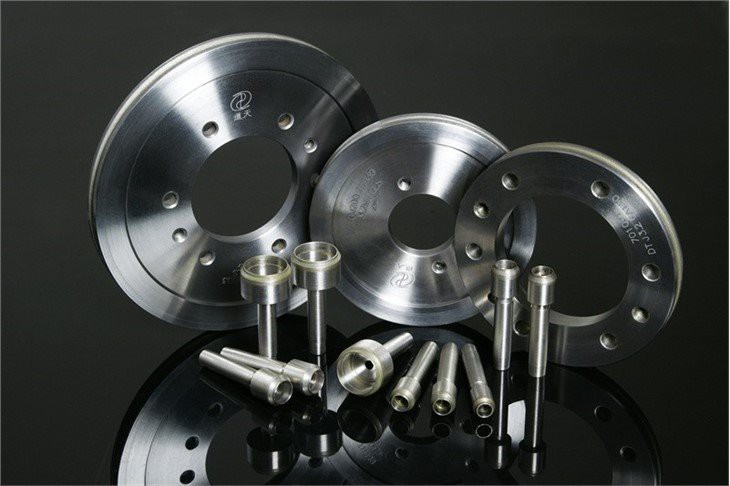
Now, let's talk about how to measure and maintain the correct grinding angle. There are several tools available that can help you with this. One of the most common tools is a grinding angle gauge, which allows you to accurately measure the angle between the tool and the material. You can also use a protractor or a simple angle finder to get a rough estimate.
Once you've determined the correct angle, it's important to maintain it throughout the grinding process. This can be a bit tricky, especially if you're working on a large or irregularly shaped piece. One way to do this is to use a grinding jig or fixture, which holds the material at the correct angle. This can help to ensure a consistent and accurate grind.
In addition to the angle, it's also important to pay attention to the pressure you're applying when grinding. Too much pressure can cause the tool to wear out more quickly and can also lead to a poor-quality finish. On the other hand, too little pressure might not allow the tool to cut effectively. Finding the right balance is key.
So, to sum it up, the recommended angle for grinding with a certain tool depends on several factors, including the type of material, the specific tool, and the condition of the tool. By understanding these factors and using the right tools and techniques, you can achieve a high-quality grind that meets your needs.
If you're in the market for high-quality grinding tools or have any questions about the recommended grinding angles, don't hesitate to reach out. We're here to help you find the right solutions for your grinding needs. Whether you're working with solar glass, automotive glass, or appliance glass, we have the tools and expertise to support you.
References
- "Grinding Technology: Theory and Applications of Machining with Abrasives" by Stephen Malkin
- "Handbook of Glass Properties" edited by Helmut Schaeffer
- Various industry standards and guidelines related to glass grinding and metalworking