

What is the use of a double - disc grinding wheel?
Sep 02, 2025
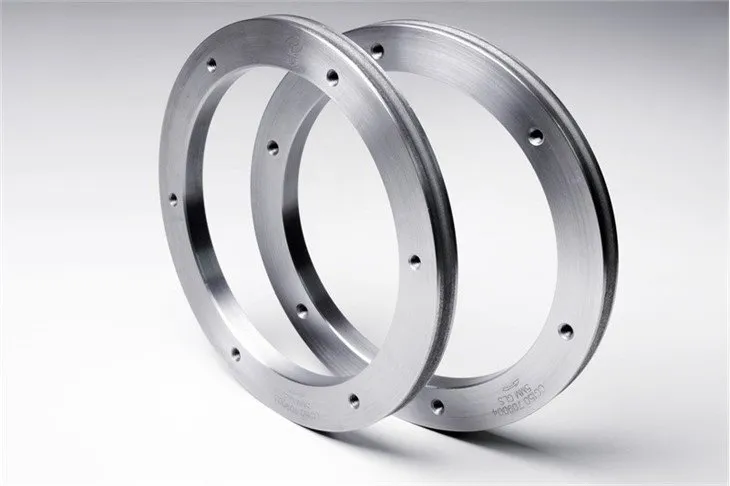
Hey there! As a grinding wheel supplier, I often get asked about the uses of different types of grinding wheels. Today, I'm gonna focus on the double - disc grinding wheel. So, what's the use of a double - disc grinding wheel? Let's dive right in.
1. Precision Surface Grinding
One of the most common and important uses of a double - disc grinding wheel is precision surface grinding. In industries where high - precision parts are required, like aerospace, automotive, and medical device manufacturing, double - disc grinding wheels shine.
For example, in aerospace, components such as turbine blades need to have extremely smooth and precise surfaces. The double - disc design allows for simultaneous grinding on two opposite sides of the workpiece. This not only speeds up the grinding process but also ensures that the two surfaces are parallel and have consistent thickness and finish. The double - disc grinding wheel can remove material evenly, reducing the chances of errors that could affect the performance of the final product.
In the automotive industry, engine parts like pistons and cylinder heads require precise surface finishes. A double - disc grinding wheel can quickly and accurately grind these parts to the required specifications. This helps in improving the overall efficiency and performance of the engine, as well as reducing wear and tear.

2. High - Volume Production
Double - disc grinding wheels are also great for high - volume production. In mass - manufacturing environments, time is money, and the ability to grind multiple parts quickly and consistently is crucial.
Let's say you're manufacturing small metal components for electronic devices. With a double - disc grinding wheel, you can load multiple workpieces at once and grind them simultaneously. This significantly increases the production rate compared to single - disc grinding methods. The consistent performance of the double - disc wheel ensures that each part meets the same quality standards, which is essential for maintaining product quality in high - volume production.
3. Glass Grinding
The glass industry also benefits greatly from double - disc grinding wheels. There are different types of glass grinding wheels for various glass applications. For instance, the Diamond Grinding Wheel for Appliance Glass is specifically designed for grinding glass used in household appliances. These wheels can provide a smooth and precise finish on the glass, which is important for both the appearance and functionality of the appliances.
The Glassware Grinding Wheel is used for grinding glassware items such as bottles and glasses. Double - disc grinding wheels in this context can shape the glass edges, remove any rough spots, and give the glassware a polished look.
And if you're dealing with thin glass, the Diamond Grinding Wheel for Thin Glass is the way to go. Thin glass requires delicate handling during grinding to avoid breakage, and the double - disc design allows for controlled and accurate grinding.
4. Tool and Die Making
In tool and die making, precision is of the essence. Double - disc grinding wheels are used to grind the surfaces of tools and dies to the exact dimensions required. For example, when making injection molds, the mold surfaces need to be extremely smooth and flat. A double - disc grinding wheel can achieve this level of precision, ensuring that the molds produce high - quality parts.
The grinding process also helps in improving the hardness and durability of the tools and dies. By removing any surface irregularities, the double - disc grinding wheel can enhance the overall performance and lifespan of these important manufacturing tools.
5. Bearing Manufacturing
Bearing manufacturing is another area where double - disc grinding wheels play a vital role. Bearings need to have very precise dimensions and smooth surfaces to function properly. The double - disc design allows for efficient grinding of the inner and outer races of the bearings.
This ensures that the bearings have a consistent fit and can rotate smoothly. By using a double - disc grinding wheel, bearing manufacturers can produce high - quality bearings that meet the strict requirements of various industries, including automotive, aerospace, and industrial machinery.
6. Custom - Shaped Parts
Sometimes, manufacturers need to produce custom - shaped parts. Double - disc grinding wheels can be used to grind these parts to the desired shape. With the right setup and programming, the double - disc grinding process can be adjusted to accommodate different geometries.
This flexibility makes double - disc grinding wheels a valuable tool for industries that require unique and complex parts. Whether it's a special - shaped metal component for a piece of machinery or a custom - designed glass part for an architectural project, a double - disc grinding wheel can help bring these designs to life.
Why Choose Our Double - Disc Grinding Wheels?
As a grinding wheel supplier, we take pride in offering high - quality double - disc grinding wheels. Our wheels are made from the best materials, which ensures long - lasting performance and consistent results. We understand the specific needs of different industries and can provide customized solutions to meet those needs.
Our team of experts is always available to offer technical support and advice. Whether you're new to using double - disc grinding wheels or you're looking to improve your existing grinding process, we're here to help. We also offer competitive pricing, which means you can get top - quality grinding wheels without breaking the bank.
Contact Us for Your Grinding Wheel Needs
If you're interested in purchasing double - disc grinding wheels or have any questions about our products, don't hesitate to get in touch. We're eager to discuss your specific requirements and find the best grinding wheel solution for you. Whether you're in a small workshop or a large - scale manufacturing plant, we have the right product for you.
References
- "Grinding Technology: Theory and Applications of Machining with Abrasives" by Stephen Malkin
- "Handbook of Abrasive Technology" edited by Ian Marinescu