


Grinding Wheels in Silicon Wafer Production
Dec 05, 2024
Grinding plays a pivotal role in the production of silicon wafers. The market's quest for higher quality, cost-effective silicon wafers poses significant challenges for the grinding wheels employed within this industry. These wheels must meet rigorous standards, such as minimal surface damage, self-dressing capabilities, uniform performance, extended lifespan, and affordability. This paper offers a comprehensive literature review focusing on grinding wheels utilized in silicon wafer manufacturing. It explores recent advancements in abrasives, bonding agents, porosity creation, and the geometric design of grinding wheels to fulfill these demanding criteria.
Silicon-based semiconductors are integral to a variety of applications, including computer systems, telecommunications, automotive, consumer electronics, industrial automation and control systems, and defense technologies.
The journey to producing top-tier silicon wafers begins with the growth of silicon ingots, which then undergo a series of processes to become wafers. The typical steps are as follows:
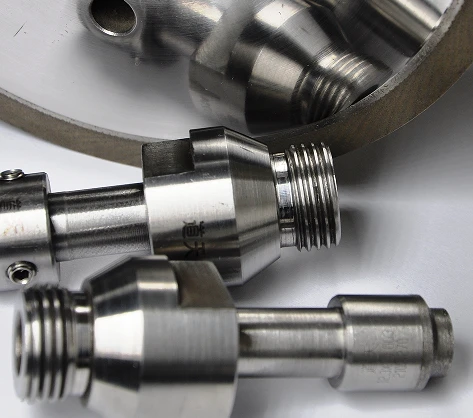
Slicing-Cutting silicon ingots into thin, disc-shaped wafers;
Flattening (Lapping or Grinding)-Enhancing the flatness of the wafers;
Etching-Chemically eliminating damage caused by slicing and flattening;
Polishing-Achieving a smooth surface on the wafers;
Cleaning-Removing polishing agents or dust from the wafer surfaces.
Grinding serves not only as a primary method for flattening wire-sawn wafers but also as a technique for fine-grinding etched wafers. The objective of fine-grinding etched wafers is to enhance the flatness of the wafers before they enter the polishing stage, reducing the amount of material removed during polishing. This leads to increased efficiency in the polishing process and improved flatness in the final polished wafers.
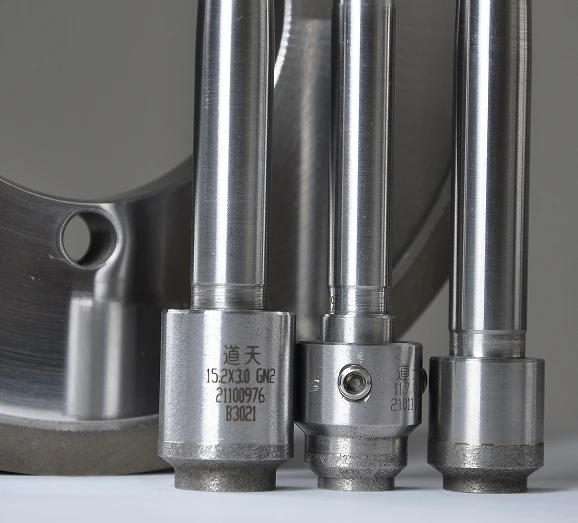
Grinding also finds application in thinning fully processed device wafers prior to dicing them into individual chips. The growing market for thin and flexible silicon chips, such as those used in smart cards and RFID smart labels, calls for more sophisticated back-grinding techniques.


