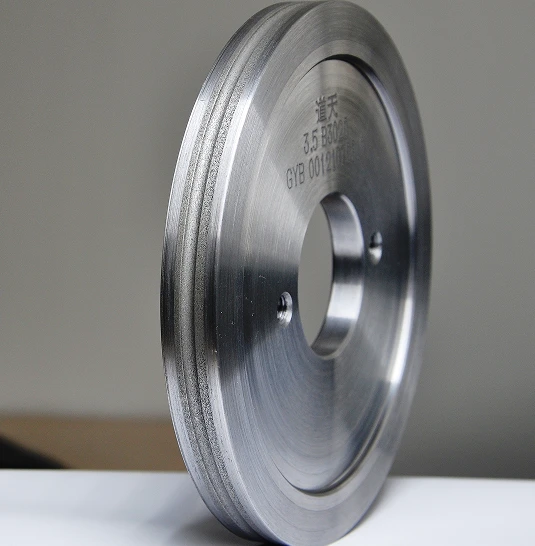
Grinding wheel characteristic
Dec 03, 2024
The process of grinding is intricate within the realm of manufacturing, shaped by a multitude of factors, including the grinding wheel, the workpiece, the machinery, and the specific process parameters. Of these factors, the grinding wheel stands out as a distinctive element, setting the grinding process apart from other machining methods. It is widely acknowledged that the topography of the grinding wheel and the preparation conditions exert a significant impact on the grinding performance. This is evident in the grinding forces, energy consumption, temperatures within the cutting zone, and the final surface finish of the workpiece. Consequently, it is no wonder that the relationship between the wheel's topography and its performance has been a subject of extensive research over the past decades (Malkin, 1998).
A common inquiry in the study of grinding wheels pertains to the representation of their topographical features and their impact on the grinding process. Given that the abrasive grains lack a defined geometric shape and position, it is often essential to employ statistical parameters to describe their cutting effectiveness. These parameters should, on one side, capture the inherent properties of the grinding wheel, and on the other, reflect the wheel's performance.