

What is the cutting edge geometry of a taper shank integrated drill bit?
Nov 20, 2025
As a supplier of Taper Shank Integrated Drill Bits, I am often asked about the cutting - edge geometry of these essential tools. In this blog, I will delve into the details of what makes the geometry of a taper shank integrated drill bit so crucial and how it impacts performance.
The Basics of Taper Shank Integrated Drill Bits
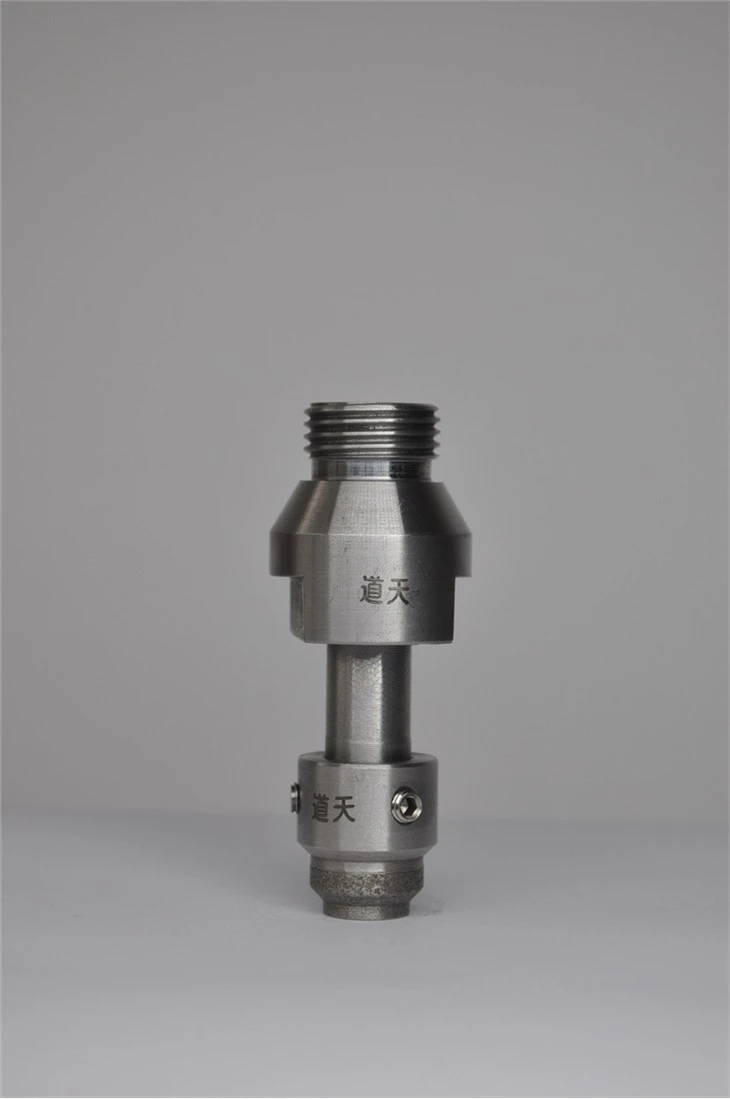
Before we discuss the geometry, let's briefly understand what a taper shank integrated drill bit is. A taper shank is designed to fit into a corresponding tapered socket in a drill press or other drilling equipment. This provides a secure connection and allows for efficient transfer of torque from the drill to the bit. The "integrated" aspect means that the drill bit and the shank are a single, unified piece, which enhances durability and precision.
Key Geometric Features
Point Angle
The point angle is one of the most critical geometric features of a drill bit. It is the angle formed at the tip of the drill bit. Common point angles range from 118° to 135°. A 118° point angle is often used for general - purpose drilling in materials like mild steel. It provides a sharp point that can penetrate the material easily. On the other hand, a 135° point angle is more suitable for harder materials such as stainless steel. The flatter point distributes the cutting force over a larger area, reducing the risk of the bit wandering and improving the overall stability during drilling.
Helix Angle
The helix angle refers to the angle of the flutes (the spiral grooves) on the drill bit. It plays a vital role in chip evacuation. A higher helix angle, typically around 30° - 40°, is beneficial for drilling soft materials like wood or plastics. The steep spiral allows chips to be quickly and efficiently removed from the hole, preventing clogging and overheating. For harder materials, a lower helix angle, around 20° - 30°, may be more appropriate. This provides more strength to the cutting edges and helps in withstanding the higher forces generated during drilling.

Flute Design
The design of the flutes is also an important aspect of the drill bit's geometry. The number, shape, and depth of the flutes can significantly affect performance. Most drill bits have two or three flutes. Two - flute drill bits are commonly used for general - purpose drilling. They offer a good balance between cutting efficiency and strength. Three - flute drill bits, on the other hand, are often used for more precise drilling operations, as they provide better stability and produce a smoother hole finish.
The shape of the flutes can vary as well. Some flutes are straight, while others are curved. Curved flutes can enhance chip evacuation by guiding the chips out of the hole more effectively. The depth of the flutes also matters. Deeper flutes can accommodate larger chips, which is useful when drilling materials that produce large chips, such as aluminum.
Margin
The margin is the narrow strip of material along the outside diameter of the drill bit that remains in contact with the walls of the hole. It helps to guide the drill bit and maintain the accuracy of the hole. A well - designed margin should be smooth and have a consistent width. A wider margin can provide more stability but may also increase friction, leading to higher heat generation. A narrower margin reduces friction but may sacrifice some stability.
Advanced Geometric Innovations
In recent years, there have been several advanced geometric innovations in taper shank integrated drill bits. For example, some drill bits now feature variable helix angles. This means that the helix angle changes along the length of the drill bit. Variable helix angles can improve chip evacuation at the tip of the bit while maintaining strength and stability further up the bit.
Another innovation is the use of specialized coatings on the drill bit's cutting edges. These coatings can reduce friction, increase wear resistance, and improve the overall cutting performance. For instance, titanium nitride (TiN) coatings are commonly used to enhance the hardness and lubricity of the drill bit, allowing it to drill through materials more efficiently and with less wear.
Impact on Performance
The cutting - edge geometry of a taper shank integrated drill bit has a direct impact on its performance. A well - designed drill bit with the right point angle, helix angle, flute design, and margin can drill holes more accurately, quickly, and with less wear. It can also reduce the risk of breakage and improve the overall quality of the drilled holes.
For example, if the point angle is not appropriate for the material being drilled, the drill bit may wander, resulting in an inaccurate hole. If the helix angle is too low for a soft material, chips may accumulate in the flutes, causing the drill bit to overheat and wear out prematurely. On the other hand, if the helix angle is too high for a hard material, the cutting edges may not be strong enough to withstand the forces, leading to chipping or breakage.
Applications and Complementary Products
Taper shank integrated drill bits are used in a wide range of applications, from metalworking to woodworking and even in the automotive and glass industries. If you are in the automotive industry, you might be interested in our Threaded Split Drill Bit for Automotive Glass. This specialized drill bit is designed to drill precise holes in automotive glass without cracking or shattering it.
For those working with appliance glass, our Diamond Drill Bit for Appliance Glass is an excellent choice. The diamond - tipped design ensures a clean and accurate cut, even in the toughest glass materials.
And if you are looking for a reliable general - purpose drill bit, our Bando Drill Bit offers high - quality performance with a well - engineered geometry that suits a variety of materials.
Conclusion
In conclusion, the cutting - edge geometry of a taper shank integrated drill bit is a complex and crucial aspect that determines its performance. From the point angle to the helix angle, flute design, and margin, every geometric feature plays a role in how well the drill bit can penetrate materials, evacuate chips, and maintain accuracy. As a supplier, we are constantly researching and developing new geometries and coatings to improve the performance of our drill bits.
If you are in the market for high - quality taper shank integrated drill bits or any of our complementary products, we invite you to contact us for a procurement discussion. We are committed to providing you with the best drilling solutions tailored to your specific needs.
References
- Black, J. T., & Kohser, R. A. (2008). DeGarmo's Materials and Processes in Manufacturing. John Wiley & Sons.
- Kalpakjian, S., & Schmid, S. R. (2013). Manufacturing Engineering and Technology. Pearson.