


Geographical factors in the development and application of grinding wheels
Jul 29, 2024
As an indispensable tool in modern industrial manufacturing, the production, use and storage of grinding wheel are deeply affected by geographical factors. From the distribution of mineral resources to the difference in the industrial base, and then to the different climatic conditions, geographical factors play a pivotal role in the development of abrasive wheel products and grinding applications.
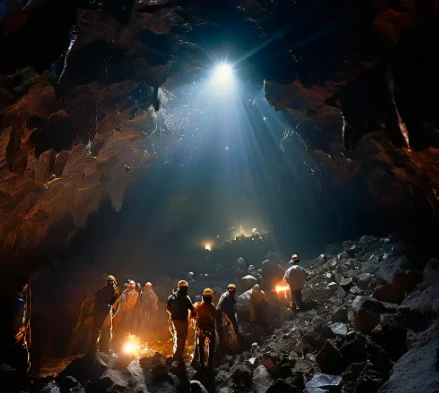
First of all, the distribution of mineral resources directly determines the difficulty of obtaining raw materials for grinding wheels. The production of grinding wheels is inseparable from high-quality abrasives and binders, and the acquisition of these raw materials often depends on local mineral resources. In areas rich in mineral resources, the quality and quantity of raw materials for grinding wheels are relatively more guaranteed, which helps to improve the overall quality of grinding wheels. On the contrary, areas lacking in mineral resources may face the problem of insufficient supply of raw materials, which restricts the development of the abrasive wheel industry.
Secondly, the difference in the industrial base also affects the production technology and process level of grinding wheels. Areas with a strong industrial base often have advanced production equipment and technical personnel, and can produce stable performance and long service life of grinding wheels. In areas with weak industrial base, there may be a certain gap in the production technology and process level, resulting in certain restrictions on the quality and performance of grinding wheels.
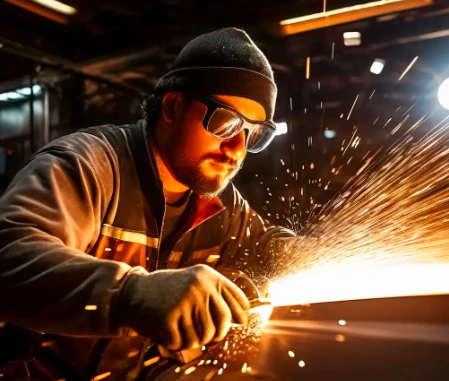
In addition, climatic conditions also have an important impact on the storage and use of grinding wheels. Humidity, temperature and other environmental factors will directly affect the performance stability of grinding wheels. In wet and rainy areas, the abrasive wheel is easy to be damp, resulting in a decrease in hardness and wear resistance; In high temperature and dry areas, grinding wheels may reduce accuracy due to thermal expansion. Therefore, when storing and using the grinding wheel, it is necessary to fully consider the local climate characteristics and take corresponding protective measures.
In addition to the above aspects, geographical distribution also determines the spread and application of grinding wheel technology. Areas with convenient transportation and high degree of industrialization are often more conducive to the promotion and development of grinding wheel technology. These regions can not only attract more investment and market demand, but also promote technical exchanges and cooperation between different regions, and promote the continuous innovation and progress of grinding wheel grinding technology.
However, we should also see that although geographical factors have had a certain impact on the development and application of grinding wheels, these effects are gradually weakening with the progress of science and technology and the advancement of globalization. Modern grinding wheel manufacturing technology has been able to achieve efficient and accurate machining in different geographical environments to meet a variety of complex and changeable processing needs. At the same time, the global market also provides a broader space and opportunities for the development of the abrasive wheel industry.
In summary, geographical factors play an important role in the development of abrasive wheel products and grinding applications. We need to fully understand and grasp these influencing factors, formulate development strategies and technical routes according to local conditions, in order to achieve sustainable development and wide application of the grinding wheel industry. At the same time, it is also necessary to actively respond to the challenges and opportunities brought by globalization, constantly improve the quality and technical level of grinding wheels, and make greater contributions to the development of the industrial manufacturing field.


