


Grinding wheel density and abrasive content: conceptual analysis and performance impact
Jul 18, 2024
The difference between grinding wheel density and grinding wheel abrasive content and its advantages and disadvantages.
As an indispensable tool in grinding process, the performance of grinding wheel directly affects the processing quality and efficiency. In the performance parameters of grinding wheel, grinding wheel density and grinding wheel abrasive content are two crucial factors. They not only determine the physical properties of the grinding wheel, but also directly related to the grinding ability and service life of the grinding wheel. This paper will discuss the concept of grinding wheel density and grinding wheel abrasive content in detail, as well as their respective advantages and disadvantages after increasing, to provide readers with a comprehensive and in-depth understanding.
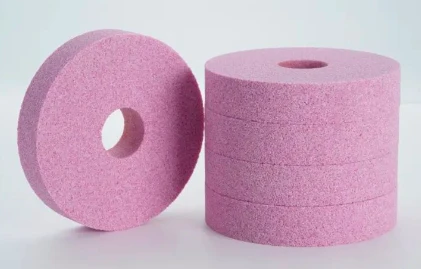
Firstly, the concept of grinding wheel density
Grinding wheel density refers to the mass of the grinding wheel material per unit volume, which reflects the tightness of the grinding wheel material. The density of grinding wheel is directly related to the physical properties of grinding wheel, such as compressive strength, wear resistance and so on. The density control of grinding wheel is an important link in the manufacturing process of grinding wheel, which is of great significance to ensure the performance and service life of grinding wheel.
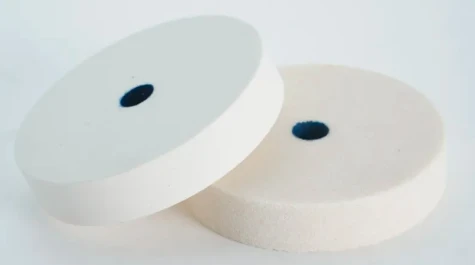
Secondly, the advantages and disadvantages of increasing the density of grinding wheel
The advantage of increasing the density of the grinding wheel is that it can improve the compressive strength and wear resistance of the grinding wheel. Due to the increased mass of the grinding wheel material per unit volume, the grinding wheel is better able to resist deformation and breakage due to grinding forces, thus extending its service life. However, too high density may also cause the grinding wheel to be too hard and brittle, prone to fracture, but reduce its service life. In addition, increasing the density may also increase the manufacturing cost of the grinding wheel, which has a certain impact on economic benefits.
Thirdly, the concept of abrasive content of grinding wheel
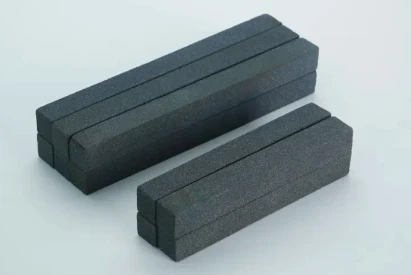
Abrasive content of grinding wheel refers to the proportion of abrasive in grinding wheel, which directly determines the grinding performance and efficiency of grinding wheel. Abrasive is the core part of grinding wheel, its type, shape, size and other factors will affect the grinding effect of grinding wheel. Therefore, when designing and manufacturing grinding wheels, it is necessary to select the appropriate abrasive according to the specific grinding needs, and precisely control its content.
Finally, the advantages and disadvantages of increasing the abrasive content of the grinding wheel
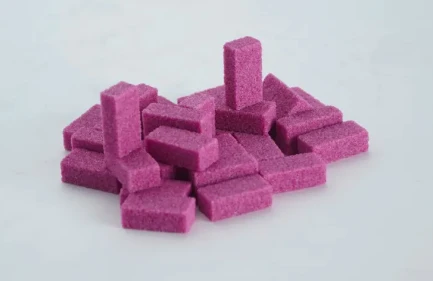
The advantage of increasing the abrasive content of the grinding wheel is that it can improve the grinding efficiency and accuracy of the grinding wheel. Grinding wheels with high abrasive content have greater grinding capacity and can remove material from the surface of the workpiece faster, while ensuring better surface quality. However, too high abrasive content may also cause the structure of the grinding wheel to become loose, reducing its compressive strength and wear resistance, thus affecting the service life. In addition, the increase of abrasives will also bring about an increase in costs, and it is necessary to consider the relationship between economic benefits and processing quality.
In summary, grinding wheel density and grinding wheel abrasive content are two important parameters of grinding wheel performance. In the design and selection of grinding wheels, it is necessary to consider these two factors and other relevant factors according to the specific grinding needs and workpiece materials to achieve the best grinding effect and service life. At the same time, it is also necessary to pay attention to balancing the performance and cost of the grinding wheel to achieve a double improvement of economic benefits and processing quality.


