


Influence of workpiece size on grinding effect
Oct 11, 2024
In the metalworking industry, grinding with abrasive wheels is a vital surface finishing technique widely employed in the processing of various workpieces. However, in practical operations, we often find that when using the same grinding wheel on workpieces of the same material, smaller or shorter workpieces tend to have better grinding results than longer or larger ones. This phenomenon not only affects processing efficiency but also potentially compromises product quality. This paper aims to analyze the causes of this phenomenon and propose corresponding solutions.
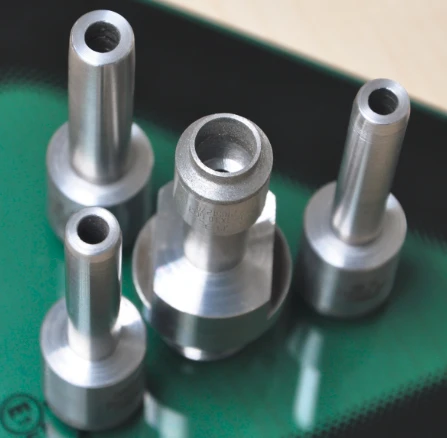
I. Cause Analysis
Wheel Wear and Lifespan Variation
During the grinding process, the abrasive wheel wears down gradually. For smaller or shorter workpieces, the wheel wears more slowly, maintaining better grinding performance and shape accuracy. However, for longer or larger area workpieces, the wheel must contact the workpiece for a longer time, leading to accelerated wear, decreased shape accuracy, and thus, impacting the grinding results.
Accumulation of Grinding Heat and Cooling Efficiency
Heat generated during the grinding process is a significant factor. For smaller or shorter workpieces, heat can be quickly dissipated through the workpiece and cooling fluid. However, for grinding larger area or longer workpieces, heat accumulates for a longer period within the workpiece, leading to temperature increases that can cause thermal deformation and burns. Furthermore, if the cooling fluid supply is insufficient or ineffective, the issue is exacerbated.
Grinding Parameters and Operator Skill
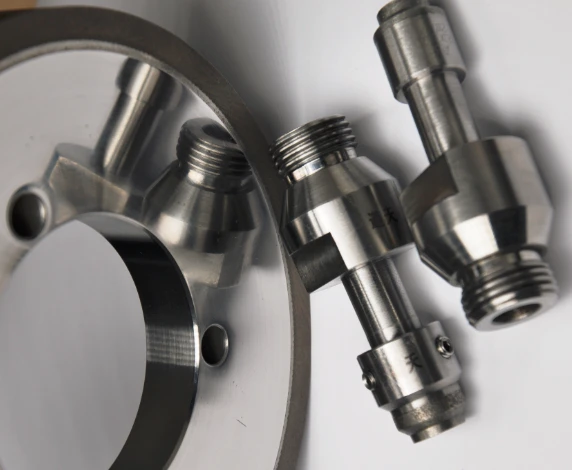
The selection of grinding parameters and the operator's skill significantly impact the grinding results. For grinding larger area or longer workpieces, grinding parameters may need to be adjusted to accommodate the size and shape of the workpiece. If parameters are improperly set or the operator's skill is inadequate, the grinding results will be directly affected.
Machine Tool Performance and Stability
The precision and stiffness of the machine tool are also crucial factors influencing grinding results. If the machine tool lacks precision or stiffness, vibrations and errors during the grinding process increase. For grinding larger area or longer workpieces, these vibrations and errors become more pronounced.


