


The key role of grinding in machining
Jul 23, 2024
Machining is a complex process involving many links, including turning, milling, grinding and other steps. Each of these links plays a different role, and together they transform a rough blank into a beautiful product. In these links, grinding processing with its unique status , has become an indispensable part of mechanical processing. Grinding machining uses high-speed rotating grinding wheel to finely cut the workpiece, which can play a great advantage in the semi-finishing and finishing stages. It can not only remove small defects and unevenness on the surface of the workpiece, but also achieve high-precision machining effects and improve the quality and performance of the workpiece. Therefore, in mechanical processing, grinding processing plays a crucial role, providing strong support for the development of the manufacturing industry.
First, the basic principle and characteristics of grinding processing
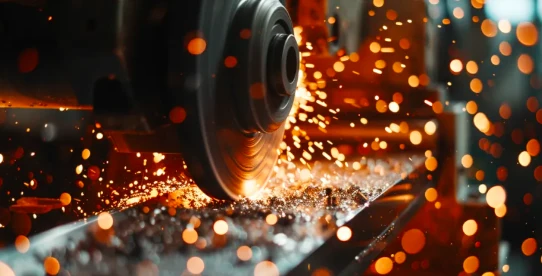
Grinding is a key part of machining, its basic principle is the use of abrasive tools (such as grinding wheels) and the workpiece surface friction, scratching and scraping action, through high-speed rotation of abrasive tools to remove the surface of the workpiece material, and then achieve the required size, shape and surface quality. Grinding is characterized by high efficiency, high precision and a wide range of material applicability. It can quickly and accurately process various metals, non-metals and other materials, and the surface quality of the processed workpiece is high, and the roughness is low. At the same time, grinding processing can also adjust grinding parameters according to specific needs to meet different processing accuracy and surface quality requirements.
Second, the role of grinding processing in improving the accuracy of parts
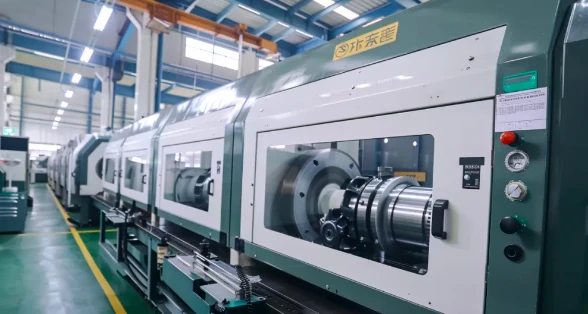
In many industrial applications, the accuracy of the parts directly determines the quality and performance of the product. Grinding machining with its fine cutting mode, can accurately remove the excess material on the surface of the workpiece, so that the size and shape of the parts meet the design requirements. Whether it is for the adjustment of small dimensions, or for the processing of complex shapes, grinding can show its unique advantages to ensure that parts are machined with high precision.
Third, the contribution of grinding processing in improving the surface quality of the workpiece
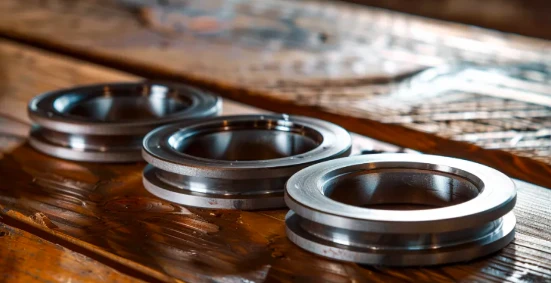
The roughness and finish of the workpiece surface not only affect the appearance of the product, but also directly relate to the performance and service life of the product. The grinding process can make the surface smooth and flat by removing burrs, oxide and other defects on the workpiece surface. This improvement not only improves the overall quality of the product, but also helps to improve the wear resistance, corrosion resistance and fatigue resistance of the product, thereby extending the service life of the product.
Fourth,the significance of grinding processing in enhancing the service life of parts.
The grinding process can remove the surface defects of the workpiece, but also effectively eliminate the residual stress and microscopic cracks. These residual stresses and cracks are often the main reasons for the failure of parts during use. By grinding, the strength and stability of parts can be significantly improved, reducing the risk of failure due to stress concentration and crack growth, thereby increasing the service life of parts.
Fifth, the role of grinding in improving processing efficiency
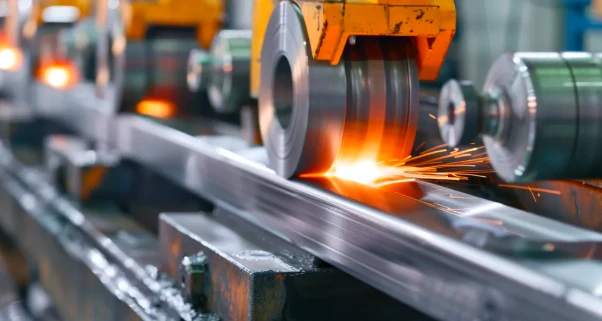
Although grinding may in some cases be slower than other processing methods, its unique processing method allows it to achieve high processing efficiency while ensuring high precision and high surface quality. In addition, the grinding process also has the characteristics of strong adaptability and high flexibility, which can be quickly adjusted according to the needs of different workpieces, further improving the processing efficiency.
To sum up, grinding plays a vital role in machining. It not only improves the accuracy and surface quality of the parts, enhances the service life of the parts, but also improves the processing efficiency. With the continuous development of the manufacturing industry, grinding will continue to play a key role in machining, providing more accurate and efficient support for industrial manufacturing.


