


Application And Characteristics Of Diamond
Jun 21, 2022
Diamond is a mineral composed of carbon element. As the hardest substance in nature, diamond has many important industrial uses, such as fine grinding materials, high-hard cutting tools, various drill bits, and wire drawing dies. Diamond is also used as a component in many precision instruments. Diamonds come in a variety of colors, from colorless to black. They can be transparent, translucent or opaque. Most diamonds have a yellowish tinge. Diamond has a high refractive index and strong dispersion properties, which is why it reflects a colorful flash of light.The color of a diamond depends on its purity and the type and amount of impurity elements it contains.
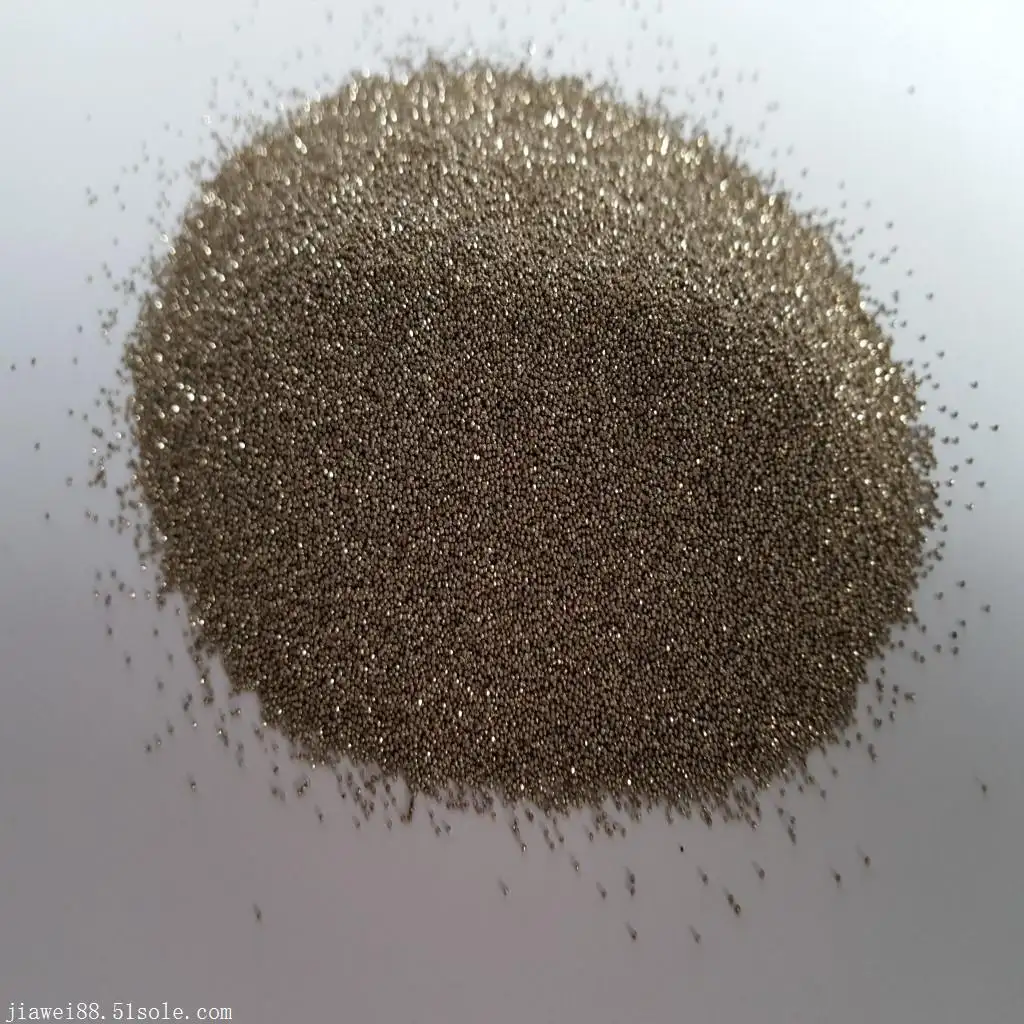
1. Pure colorless, generally showing varying degrees of yellow, brown, gray, green, blue, milky white and purple, etc.
2. Under cathode rays, X rays and ultraviolet rays, different green, sky blue, purple, yellow-green and other colors of fluorescence will be emitted.
3. Pure transparent, translucent or opaque with impurities;
4. In the dark room after sunlight exposure to light blue phosphorescence.
5. Adamantine luster, a few grease or metal luster, high refractive index, generally 2.40-2.48.
Differences between artificial diamond and natural diamond:
1. The difference between artificial diamond and diamond of different solvents.
Natural diamonds are grown in silicate solutions, so carbon solubility is low. Synthetic diamonds, however, are much more soluble in carbon than silicates,
2. The difference between artificial diamond and diamond is different in temperature.
The growth temperature of natural diamond is about 1000-1300 degrees Celsius, while that of artificial diamond is above 1400 degrees Celsius.
3. The difference between artificial diamond and diamond saturation.
The supersaturation of synthetic diamond is greater than that of natural diamond, so it can be predicted that the surface of synthetic diamond is rougher in any case, but the actual observed synthetic diamond shows a smooth interface.
Industrial uses of diamond: geological drill and petroleum drill diamond, drawing die diamond, abrasive diamond, dressing diamond, glass knife diamond, hardness tester indenter diamond, arts and crafts diamond. Diamond is used to form diamond film on metal, plastic, glass and other materials. Such as semiconductor and semiconductor devices heat sink resistance, electrical insulation layer.
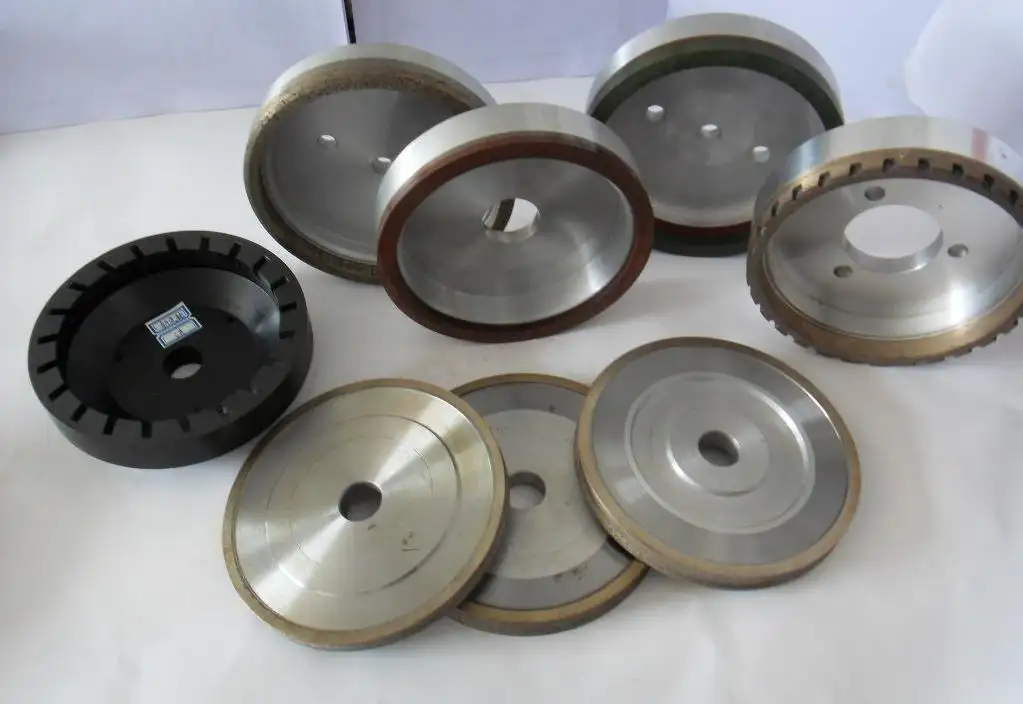
Uses of diamond grinding wheel
Because of the diamond abrasive (high hardness, high compressive strength, good abrasion resistance), the diamond abrasive grinding in grinding of hard brittle materials and the ideal of hard alloy tools, not only high efficiency, high precision, and good roughness, abrasive consumption, long service life, and can also improve working conditions. Therefore, it is widely used in low iron content metal and non-metal hard and brittle materials that are difficult to be processed by ordinary grinding tools, such as hard alloy, high aluminum porcelain, optical glass, agate gemstone, semiconductor materials, stone and so on.


