


Chemical reactions in grinding
Jul 19, 2024
Grinding the workpiece is a common operation in industrial production, and many people may think that it is just a simple physical process, that is, the mechanical grinding of the workpiece surface by the grinding wheel. However, as a chemistry teacher, I want to tell you that in this process, chemical changes can't be ignored. Understanding these chemical changes helps us better control the grinding process and improve the quality of the workpiece.
First of all, we need to understand the main components of the grinding wheel. Grinding wheels usually consist of abrasives, bonds and pores. Abrasive is a key part of grinding wheel, common corundum (mainly alumina), silicon carbide and so on. During grinding, the abrasive comes into contact with the surface of the workpiece, removing the material from the surface of the workpiece by mechanical action.

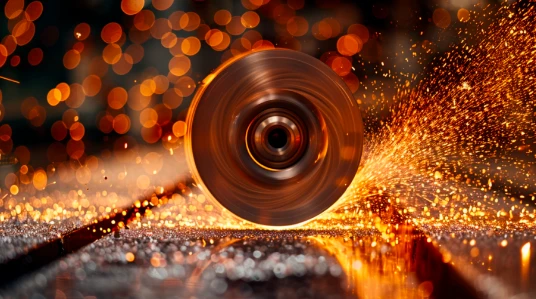
However, this process is not purely physical grinding. As grinding progresses, high temperatures occur between the abrasive and the workpiece surface. This high temperature environment will cause chemical changes in the material on the surface of the workpiece. For example, some metal materials may oxidize with oxygen in the air at high temperatures to form oxides. These oxides may adhere to the surface of the workpiece, affecting the surface quality and accuracy of the workpiece.
In addition, the grinding wheel itself may also undergo chemical changes due to high temperatures. Some components of the abrasive may react with the binder, resulting in a change in the structure of the grinding wheel, which in turn affects its grinding performance. Therefore, choosing the appropriate grinding wheel and grinding parameters to control the temperature during the grinding process is the key to ensure the grinding effect.
For grinding wheel users, the significance of understanding these chemical changes is that they can choose the right type of grinding wheel and grinding parameters according to the material and requirements of the workpiece. For example, for metal materials that are easily oxidized, a grinding wheel with a lower grinding temperature can be selected to reduce the occurrence of oxidation reactions. At the same time, regular inspection and replacement of the grinding wheel is also an important measure to ensure the grinding effect.
In summary, there are not only physical changes in the process of grinding the workpiece, but also chemical changes. Understanding these chemical changes helps us better control the grinding process and improve the quality of the workpiece. As a grinding wheel user, we should pay attention to learning relevant chemical knowledge in order to get better expected results in the grinding process.
In practice, grinding wheel users can also optimize grinding results by:
Choose the right coolant: Using the right coolant can effectively reduce the temperature during the grinding process and reduce the occurrence of chemical changes. The user can choose the coolant with good cooling performance and anti-oxidation according to the workpiece material and grinding requirements.
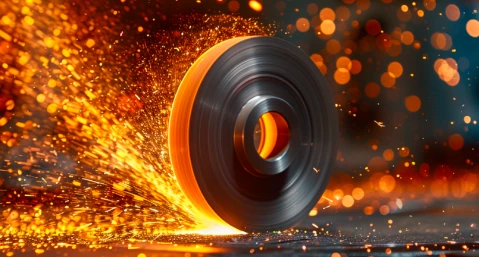
Control grinding speed and pressure: Excessive grinding speed and pressure will lead to an increase in grinding temperature and exacerbate chemical changes. Therefore, the user should reasonably adjust the grinding speed and pressure according to the workpiece material and the grinding wheel characteristics to ensure a stable and efficient grinding process.
Regular maintenance of grinding wheels: Grinding wheels will gradually wear out during use, affecting their grinding performance. The user should check the wear of the grinding wheel regularly and replace the severely worn grinding wheel in time to ensure the grinding quality and efficiency.

Pay attention to environmental control: dust and exhaust gas generated during grinding may cause pollution to the environment. Users should take appropriate protective measures, such as installing dust removal equipment and maintaining good ventilation in the workplace, to reduce the impact on the environment.

The chemical changes in the grinding process of the workpiece cannot be ignored. Grinding wheel users should strengthen the knowledge and understanding of these chemical changes in order to better control the grinding process in actual operation and improve the quality of the workpiece. At the same time, by taking reasonable measures and methods, users can further optimize the grinding effect and achieve higher production efficiency and economic benefits.


