


MECHANICAL PRINCIPLE AND ENERGY CONVERSION IN GRINDING WHEEL
Jul 02, 2024
Firstly, let's discuss the mechanical principle of grinding wheel. In the grinding process, the interaction between the grinding wheel and the material being machined is the core. The cutting forces generated by this interaction are very important to material removal. The size and direction of the cutting force directly determine the removal speed and shape accuracy of the material. At the same time, friction is also a factor that cannot be ignored,it is accompanied by the cutting process, affecting the grinding temperature, grinding wheel wear speed and the surface quality of the material.
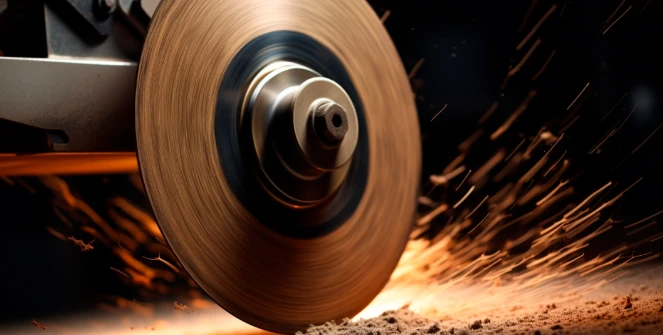
In addition to cutting forces and friction, the stress distribution of materials is also an important part of the principles of mechanics. During grinding, the material is squeezed and cut by the grinding wheel, and its internal stress distribution changes. This change will lead to deformation and fracture of the material, which will affect the grinding effect and material properties.
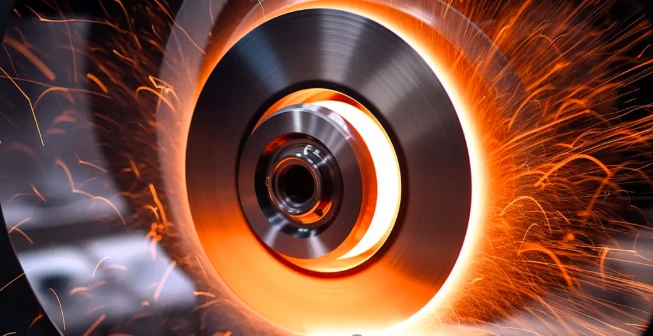
Next, we will discuss energy conversion in grinding wheels. During grinding, mechanical energy is the main input energy, which drives the wheel to rotate and cut the material. However, this part of the mechanical energy is not completely converted into the removal energy of the material, but a part of it is converted into heat and sound energy.

Heat is the most obvious form of energy conversion in the grinding process. Due to the friction and cutting action between the grinding wheel and the material to be machined, a lot of heat is generated, which increases the temperature of the grinding area. Excessive temperatures can lead to thermal damage and deformation of the material, so appropriate cooling measures need to be taken to control the grinding temperature.

The mechanical principles and energy conversion in grinding wheel are a complex and interesting topic. With an in-depth understanding of these principles, grinding wheel users can better master grinding technology, optimize grinding parameters, and improve processing efficiency and material properties. At the same time, it can also better cope with the problems and challenges that may occur in the grinding process to ensure the smooth progress of the grinding process.


