


The influence of grinding wheel on workpiece performance
Oct 23, 2024
The influence of grinding wheel on workpiece performance
In the modern manufacturing industry, as an important processing technology, grinding wheel is widely used in the processing of various metal and non-metal materials. Through the precise grinding, the workpiece not only significantly improved in terms of shape, size, accuracy, but also undergone a series of other changes. This article will discuss the detail changes that occur to the workpiece after grinding with a grinding wheel to help us understand the value of this processing technology more deeply.
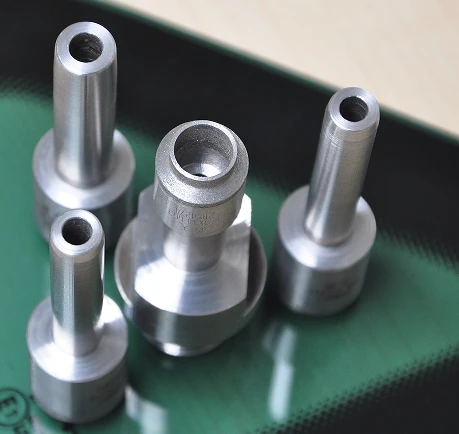
1.Changes in shape and size
Before grinding, the workpiece may have a certain shape error and size deviation. However, with the precise grinding of the grinding wheel, these errors and deviations can be significantly reduced or even eliminated. The high precision motion track and grinding parameter control of the grinding wheel ensure the high precision copy of the workpiece shape and the precise adjustment of the size. Whether it is flat, curved or complex three-dimensional shapes, grinding wheels provide excellent machining results.
2.the improvement of precision and finish
The grinding process has a significant impact on the accuracy and finish of the workpiece. There may be rough scratches, burrs and uneven areas on the surface of the workpiece before grinding. After the precise grinding of the grinding wheel, these defects are effectively removed, and the workpiece surface becomes smoother. At the same time, the precision manufacturing of the grinding wheel and the strict control of the grinding process ensure the high-precision machining results of the workpiece. Whether it is dimensional accuracy, shape accuracy or position accuracy, it can reach a very high level.
3. Changes in strength and performance
Grinding wheel not only affects the shape and size of the workpiece, but also has a profound impact on its strength and performance. In the grinding process, the workpiece surface is subjected to high-speed friction and extrusion of the grinding wheel, resulting in a lamination stress and surface hardening phenomenon. These changes help to improve the strength and hardness of the workpiece surface and enhance its wear resistance and fatigue resistance. At the same time, the high temperatures and pressures generated during grinding can lead to small changes in the internal organization of the workpiece, further affecting its mechanical properties and corrosion resistance.
4. Improvement of residual stress and surface integrity
During grinding, residual stress occurs on the surface of the workpiece. These residual stresses may affect the strength, fatigue life and corrosion resistance of the workpiece. However, through reasonable grinding parameters and cooling measures, the distribution and magnitude of residual stress can be optimized, thereby improving the overall performance of the workpiece. In addition, the surface integrity of the workpiece after grinding is also significantly improved. The comprehensive optimization of surface roughness, surface defects, surface hardening and residual stress makes the workpiece more reliable and stable during use.
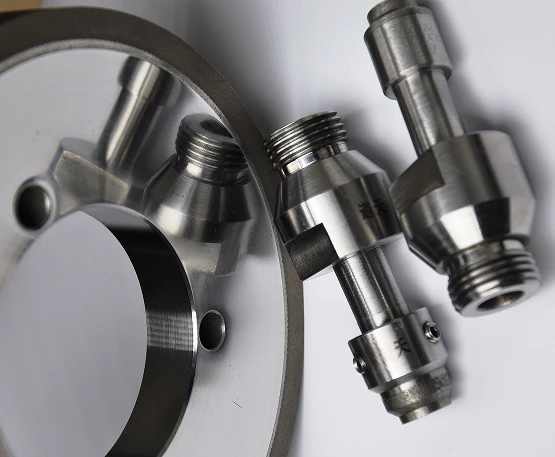
5. Other changes
In addition to the above changes, grinding wheels may also have an impact on other aspects of the workpiece. For example, the heat and grinding forces generated during grinding may cause a small deformation of the workpiece. However, the influence of this deformation can be reduced through reasonable process design and grinding parameter control. In addition, grinding can also improve the geometric stability of the workpiece, maintaining its function and reliability over a long period of use. At the same time, the efficient material removal rate also shortens the processing time and improves the production efficiency.
In summary, the workpiece shaped after grinding with the grinding wheel changes significantly in shape, size, accuracy, strength and performance, residual stress and surface integrity, and other aspects. Together, these changes determine the quality and performance of the finished workpiece, making wheel grinding an indispensable processing technology in modern manufacturing. With the continuous progress of science and technology and the continuous improvement of processing demand, grinding technology will continue to develop and innovate, providing strong support for the transformation and upgrading of the manufacturing industry and high-quality development.


