


Thin workpiece grinding common problems and solutions
Oct 17, 2024
In the field of precision manufacturing, thin workpiece grinding is a crucial process, which is directly related to the final quality and performance of the product. However, due to its unique physical characteristics and processing requirements, series of challenges are often encountered during the grinding. These challenges not only test the level of process technology, but also put forward higher requirements for production efficiency and cost control. This article will delve into the common problems in thin workpiece grinding and propose corresponding solutions, aiming to provide valuable reference and guidance for relevant practitioners.
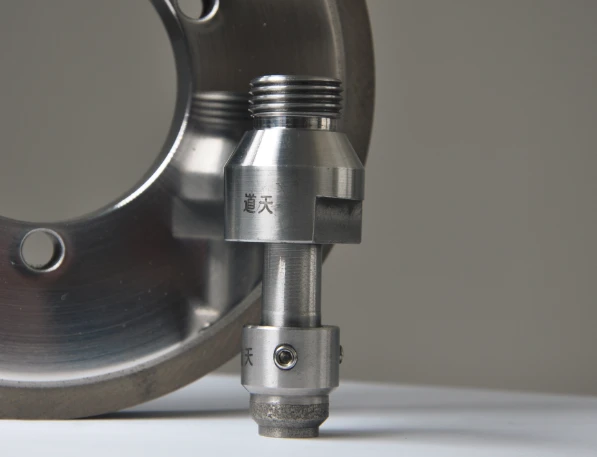
Common problems workpiece deformation reasons: thin workpiece rigidity is poor, easy to make deformation due to cutting heat and clamping force during grinding. Performance: workpiece warping, uneven surface. Surface burn causes: high grinding temperature, insufficient or improper coolant, resulting in local overheating of the workpiece.
Performance: the workpiece surface hardness increases, the color changes, the roughness increases. Reasons for grinding wheel blockage: grinding materials are easily attached to the grinding wheel surface, coolant is insufficient or improper, and grinding wheel hardness is too high.
Performance: grinding force increases, cutting temperature increases, machining accuracy decreases. Surface scratch causes: the grinding wheel is too soft or too thick, the coolant is unclean, and the dressing is improper. Performance: scratches or grooves on the surface of the workpiece. Vibration causes: spindle bearing wear, grinding wheel beating, grinding wheel too hard or too tight organization, clamping loose.
Performance: Periodic vibration marks on the surface of the workpiece. The workpiece deformation adopts a magnetic suction cup, and a thin rubber sheet is inserted between the workpiece and the suction cup to reduce the clamping deformation. The elastic clamping mechanism is used to position and clamp the workpiece in a free state. Control the grinding force and feed amount to avoid thermal expansion and deformation caused by excessive feed.
Solution: surface burns increase coolant flow and pressure and use coolant with better cooling effect. Optimize grinding parameters, reduce grinding speed and feed rate, and reduce cutting heat generation. Regular grinding wheel dressing to maintain sharpness of abrasive grain, reduce cutting force and heat.
Solution: grinding wheel clogging regular use of diamond dressers to trim grinding wheels to maintain sharpness and surface cleanliness of abrasive particles. Adjust the coolant flow rate and injection angle to ensure adequate cooling of the grinding area. Select the right hardness of the grinding wheel, improve the self-sharpness of the grinding wheel, reduces the risk of clogging. Solution: clean the cooling tank from surface scratches or replace it with clean coolant. Choose a hard grinding wheel, or slow down the grinding wheel dressing speed to avoid excessive wear. Check the dressing device to make sure the dressing tool and angle are correct.
Solution: Vibration check spindle bearing, timely replacement of worn bearing. Re-trim the grinding wheel and check the installation to ensure that the grinding wheel is balanced and stable. Choose a soft grinding wheel or a grinding wheel with open structure to reduce vibration. Check the clamping device to ensure that the flange bolts are tight and not loose. Third, other precautions, grinding wheel selection: according to the workpiece material and grinding requirements to choose the appropriate type of grinding wheel, hardness and particle size.
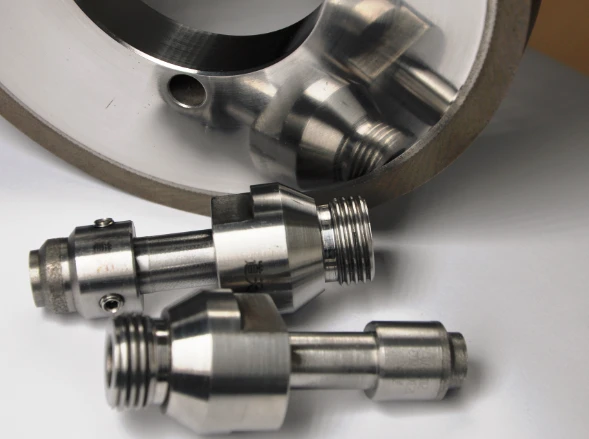
Coolant selection: use the appropriate coolant type and flow rate to ensure that the grinding area temperature is controlled within a reasonable range.
Grinding parameters optimization: through testing and measurement, optimize grinding parameters, such as grinding speed, feed and grinding depth, to achieve the best machining results. Workpiece clamping: The appropriate clamping method is used to ensure that the workpiece is stable without deformation during the grinding process. To sum up, although the common problems of thin workpiece grinding are complex and diverse, through scientific methods and meticulous operations, we are fully capable of finding effective solutions. From the choice of grinding wheel to the application of coolant, from the optimization of grinding parameters to the improvement of workpiece clamping, every detail is crucial.


