


Influence of brittleness and toughness of abrasive on grinding workpiece of grinding wheel
Jul 11, 2024
The brittleness and toughness of abrasives have a significant impact on the grinding process and the quality of the workpiece during the grinding wheel's grinding process. Abrasives are an important component of the grinding wheel, and their properties directly determine the grinding effect and the quality of the workpiece.
The concept and difference between brittleness and toughness of abrasives:
Abrasives' brittleness: Brittleness refers to the property of a material that is prone to fracture or breakage under the action of external forces. For abrasives, brittleness is manifested as the ease of breaking into finer particles during the grinding process. These particles can increase the contact area of grinding, improving the grinding efficiency. However, excessive brittleness may also lead to premature fracture of abrasive particles, affecting the durability and stability of the grinding wheel.
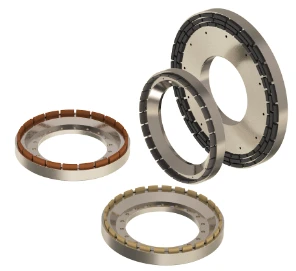
Abrasives' toughness: Toughness is essentially the opposite of brittleness. It refers to the ability of a material to resist fracture and maintain its shape and size stability under the action of external forces. In abrasives, toughness is manifested as the ability of abrasive particles to maintain a certain degree of integrity and strength when subjected to wear and impact, extending the service life of the grinding wheel. Abrasives with good toughness can better resist wear and fracture, maintaining the shape and precision of the grinding wheel.
The impact of abrasives' brittleness and toughness on the grinding of workpieces:
Impact of brittleness:
Improves grinding efficiency: Abrasives with higher brittleness are prone to break into finer particles during the grinding processing,which can increase the contact area for grinding, improving grinding efficiency. This allows for faster material removal from the workpiece surface, reducing processing time.
Affects grinding quality: However, excessive brittleness may also cause abrasive particles to break prematurely, resulting in irregular particle shapes. These irregular particles may produce unstable cutting forces when in contact with the workpiece, leading to scratches or unevenness on the workpiece surface.
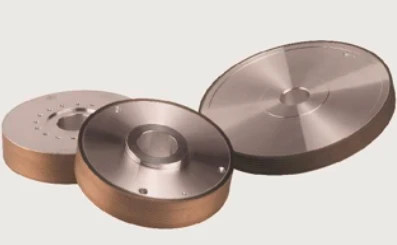
Impact of toughness:
To maintain the shape of the grinding wheel, abrasives with better toughness can better resist wear and impact, which contributes to maintaining the shape and dimensional stability of the grinding wheel. This ensures precision and consistency in the grinding process, ultimately enhancing the quality of the workpiece. Additionally, greater toughness extends the life of the grinding wheel by reducing the fracture and detachment of abrasive particles, which slows down the wear rate of the wheel. Consequently, this reduces the frequency and cost associated with replacing grinding wheels.
The brittleness and toughness of abrasives have an important impact on the process and outcome of grinding workpieces. When selecting abrasives, it is necessary to balance the relationship between brittleness and toughness according to specific processing requirements and the material of the workpiece. For workpieces that require efficient material removal, abrasives with higher brittleness can be appropriately selected to improve grinding efficiency; for workpieces that require high precision and quality processing, abrasives with better toughness should be chosen to ensure the stability and precision of grinding.By reasonably selecting abrasives and optimizing grinding process parameters, efficient and high-quality grinding wheel grinding processing can be achieved.


