


SEVENTEEN FACTORS AFFECTING GRINDING ACCURACY OF GRINDING WHEEL
Jul 03, 2024
Precision in the grinding process is a crucial aspect of manufacturing. It is directly related to the quality and accuracy of the workpiece and the performance of the final product. There are many factors that affect the accuracy of workpiece grinding with grinding wheel. The following is a summary of some main factors:
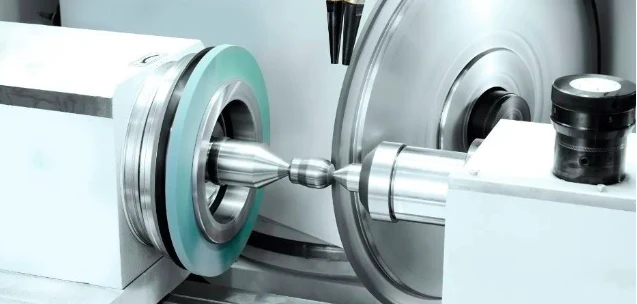
1.Wheel hardness: The hardness of the grinding wheel affects the grinding force and the contact area between the wheel and the workpiece. A harder wheel can maintain its shape better, while a softer wheel may wear down faster, affecting the grinding accuracy.
2.Wheel grade: The grade of the grinding wheel determines its strength and ability to resist deformation during grinding. A higher grade wheel provides better stability and accuracy.
3.Wheel structure: The structure of the grinding wheel refers to the arrangement of abrasive grains and bond material. A denser structure offers better accuracy, while a coarser structure allows for faster material removal.
4.Wheel grain size: The size of the abrasive grains on the grinding wheel affects the surface finish and grinding accuracy. Smaller grain sizes provide finer finishes and better accuracy.
5.Wheel bond type: The bond material connecting the abrasive grains in the grinding wheel influences the wheel's performance. 6.Different bond types have varying strengths and wear resistance, which can affect grinding accuracy.
7.Wheel speed: The rotational speed of the grinding wheel impacts the cutting efficiency and accuracy. Higher speeds can lead to increased heat generation and reduced accuracy, while lower speeds may result in slower material removal rates.
8.Workpiece speed: The speed at which the workpiece moves relative to the grinding wheel affects the grinding force and accuracy. Proper selection of workpiece speed ensures efficient material removal without compromising accuracy.
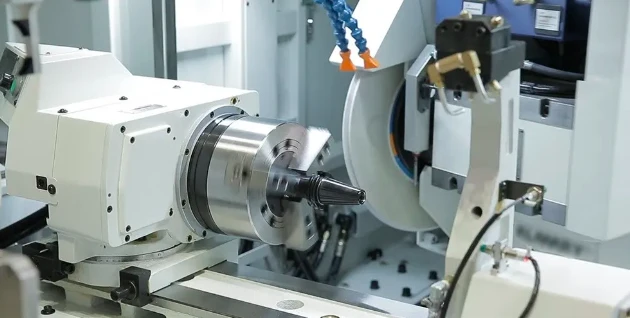
9.Depth of cut: The depth of cut, or the amount of material removed per pass, affects the grinding force and accuracy. Shallow depths of cut provide better accuracy, while deeper cuts may cause wheel deflection and reduced accuracy.
10.Coolant type and flow rate: The use of coolant helps dissipate heat generated during grinding, reducing thermal distortion and improving accuracy. Selecting the appropriate coolant type and maintaining proper flow rates is essential for optimal grinding accuracy.
11.Machine rigidity: The rigidity of the grinding machine affects the overall stability and accuracy of the grinding process. A rigid machine minimizes vibrations and deflections, ensuring consistent grinding results.
12.Machine alignment: Proper alignment of the grinding machine components, such as the spindle, table, and guideways, is crucial for achieving high grinding accuracy. Misalignment can lead to uneven grinding forces and reduced accuracy.
13.Dressing and truing: Regular dressing and truing of the grinding wheel help maintain its geometry and sharpness, ensuring consistent grinding accuracy throughout the process.
14.Workpiece clamping: Proper clamping of the workpiece ensures stable support and reduces the risk of movement during grinding, contributing to improved accuracy.
15.Grinding environment: Environmental factors, such as temperature, humidity, and air quality, can impact the grinding process and accuracy. Maintaining a controlled environment helps minimize these effects.
16.Operator skill: The skill level and experience of the operator play a significant role in achieving high grinding accuracy. Proper training and understanding of the grinding process are essential for optimal results.
17.Material properties: The physical and chemical properties of the workpiece material influence the grinding process and accuracy. Understanding the material characteristics and selecting the appropriate grinding parameters are crucial for accurate grinding.
Tool wear: The wear of the grinding wheel affects its performance and accuracy over time. Monitoring tool wear and replacing worn wheels promptly helps maintain grinding accuracy.
Although the above mentioned factors have covered the main aspects that affect the grinding accuracy of a grinding wheel, the actual situation may vary depending on the specific process requirements and workpiece characteristics. Therefore, in practical applications, various factors need to be considered comprehensively, and adjusted and optimized according to the specific situation to ensure that the required grinding accuracy is achieved.


