


The cause and solution of burr in grinding process(1)
Aug 22, 2024
Grinding is a very important process method, which can be used to improve the dimensional accuracy, surface quality and service life of the workpiece. However, burrs may occur during grinding, affecting the quality and performance of the workpiece. Today, we will analyze the causes and solutions of burrs in grinding process from the aspects of grinding wheel, processing conditions and processing parameters.
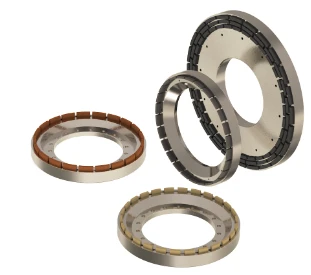
1. Grinding wheel
The generation of burrs is related to the choice and use of grinding wheels. Here are some possible causes related to grinding wheels:
Thicker grinding wheel: the use of too thick grinding wheel may cause too much cutting on the workpiece surface during grinding, resulting in burrs. At the same time, too coarse grinding wheel grinding surface quality will not be very high.
Higher or lower hardness of grinding wheel: higher or lower hardness of grinding wheel may affect the generation of burrs. High hardness of grinding wheel may lead to increased cutting force and increase the possibility of burrs; the hardness of the grinding wheel is too low, which may lead to excessive cutting on the workpiece surface, and it is also easy to produce burrs.
Poor grinding wheel dressing: If the grinding wheel is badly dressed, such as the cutting depth is too deep during dressing, the feed speed is too fast, etc., it may lead to deep trenches or bumps on the surface of the grinding wheel, and then produce burrs.
Improper grinding wheel speed: When the grinding wheel speed is too high, the temperature of the grinding zone will increase, and the oxidation and burn phenomenon of the workpiece surface will also increase, resulting in burrs on the surface of the workpiece. In addition, the high speed of the grinding wheel will also lead to the contact time between the grinding wheel and the workpiece is shortened, the grinding amount is reduced, and burrs may also be generated. When the grinding wheel speed get lower, the grinding zone accumulate more heat, cutting edge of the grinding wheel surface will gradually passivate, resulting in an increase in grinding force, and the workpiece surface is also prone to burrs.
Therefore, in order to reduce the generation of burrs, it is necessary to select the appropriate grinding wheel according to the workpiece material and the required grinding accuracy, and ensure that the hardness, dressing state and speed of the grinding wheel meet the requirements. At the same time, in the process of use, it is also necessary to pay close attention to the state of the grinding wheel, timely dressing and replacement to avoid burrs.


