


Grinding wheel dressing method
Nov 26, 2024
In the filed of manufacturing, abrasive instruments are often referred to as the "teeth of industry," playing a pivotal role in the progress of the manufacturing sector and acting as a key catalyst for the growth of strategic, emerging industries such as advanced machinery production. The superabrasive grinding wheel, crafted with either diamonds or cubic boron nitride (CBN) as the abrasive material, is a type of fixed abrasive tool that is characterized by its efficiency, precision, and durability. It is capable of performing high-speed, efficient, and ultra-precise machining on a variety of hard-to-machine materials that are in growing demand and challenging for conventional abrasive wheels to handle. As a result, the shift from "D (diamond) replacing C (silicon carbide), and B (CBN) replacing A (alumina)" has consistently been a significant trend in the evolution of grinding technology.
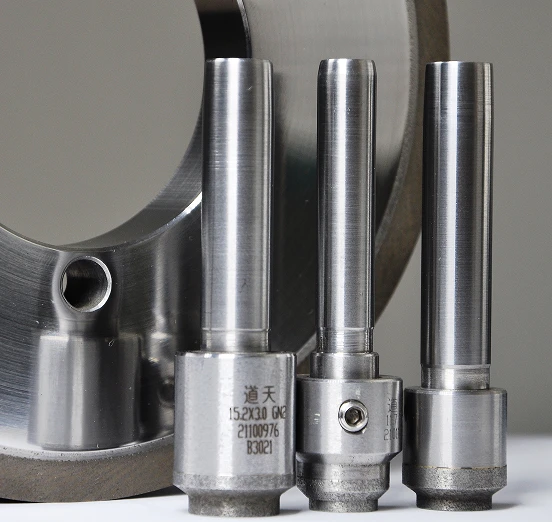
Despite the exceptional hardness and strength of superabrasive grinding wheels, their surfaces can still experience wear or become blocked during the machining process. This leads to an increase in grinding forces and a rise in temperature, which can result in grinding vibrations and thermal damage, thereby compromising the surface quality of the workpiece. Moreover, the worn surface of the grinding wheel can also lose its proper geometric shape, leading to a reduction in the surface accuracy of the workpiece.
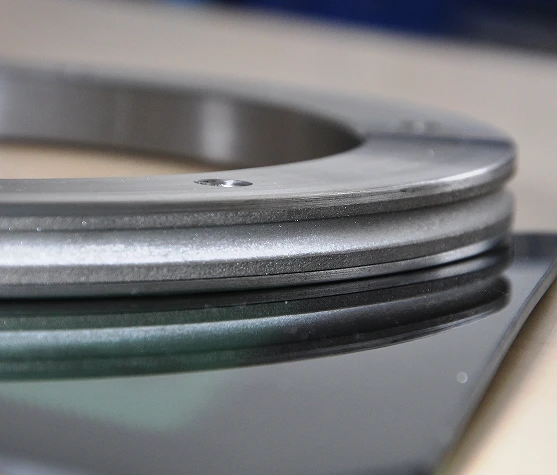
Currently, the techniques for dressing superabrasive grinding wheels can be categorized into three main groups: the first group involves mechanical truing methods such as abrasive block dressing, parallel wheel dressing, and cup wheel dressing; the second group encompasses special dressing techniques like electrical discharge dressing, electrolytic in-process dressing, and pulsed laser dressing; the third group pertains to combined truing methods that integrate multiple truing techniques to enhance each other, including mechanical-laser combined dressing, mechanical-chemical combined dressing, and ultrasonic-assisted dressing.
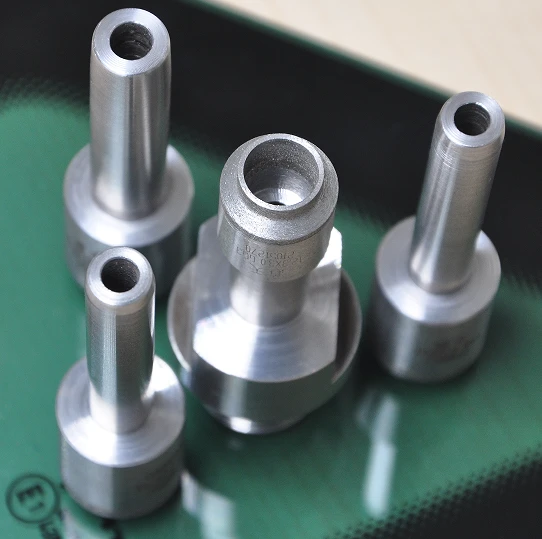
These dressing methods are evaluated based on their dressing efficiency, quality, precision, processing costs, environmental impact, current industrial application, and potential for development. This comparison aims to offer insights for the selection of the appropriate superabrasive wheel dressing method and to inform the advancement of new technologies and future research.


