


There Are Four Types of Grinding Wheel Clogging
Jul 15, 2024
Did you know that there's more than one type of grinding wheel clogging? In grinding processes, clogging of the grinding wheel is a problem that can be quite vexing. It not only quietly weakens the cutting ability of the grinding wheel but can also silently damage the quality of the workpiece surface. But did you know that there are actually four types of clogging, each with its unique causes and solutions? Only by deeply understanding these types of clogging can we address this grinding challenge effectively. So, what are these four types of clogging and how can we solve the grinding problem based on each type? 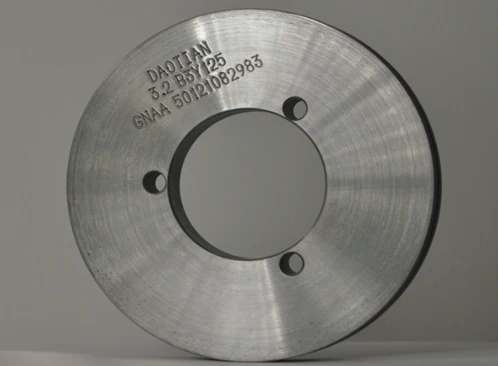
Embedded Clogging Embedded clogging refers to the situation during grinding where the workpiece material, after being cut by the abrasive grains, becomes embedded into the surface of the grinding wheel, forming a hard layer of clogging. This type of clogging reduces the number of effective abrasive grains on the grinding wheel, leading to a decline in grinding performance.
Solutions
Choose a grinding wheel with a moderate hardness to avoid the difficulty of grain shedding due to excessive hardness and a decline in cutting performance due to excessive softness.
Control the grinding temperature to reduce the adhesion between the workpiece material and the grinding wheel surface.
Regularly dress the grinding wheel to remove the embedded workpiece material and maintain the flatness of the grinding wheel surface.
Adherent Clogging Adherent clogging refers to the grinding chips or impurities generated during grinding that adhere to the surface of the grinding wheel, forming a soft layer of clogging. Adherent clogging can affect the cutting efficiency of the grinding wheel and the quality of the workpiece surface.
Solutions:
Use the appropriate grinding fluid to remove the chips and impurities adhering to the grinding wheel surface through its flushing action.
Regularly check the cleanliness of the grinding fluid to avoid using heavily polluted grinding fluid.
Increase the linear speed of the grinding wheel or the workpiece speed to help remove adherents through increased centrifugal force. 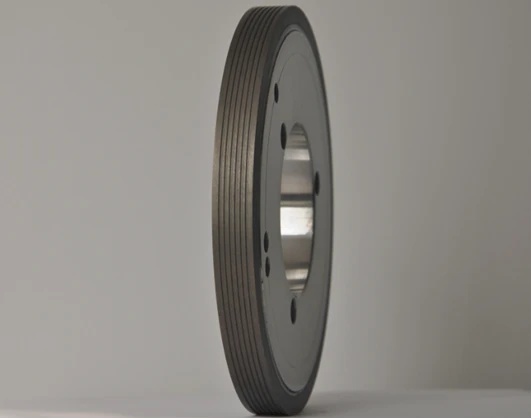
Mixed Clogging Mixed clogging is the simultaneous presence of embedded and adherent clogging. This type of clogging has both hard and soft clogging layers, which have a greater impact on the cutting performance of the grinding wheel.
Solutions:
Apply a combination of solutions for embedded and adherent clogging, such as choosing a grinding wheel with moderate hardness, using appropriate grinding fluid, and regularly dressing the grinding wheel.
Adjust grinding parameters during the grinding process, such as reducing radial feed and changing the grinding method, to reduce the occurrence of clogging.
Adhesive Clogging Adhesive clogging occurs when the grinding temperature is too high or the grinding fluid is unsuitable, causing the workpiece material to adhere to the surface of the grinding wheel, forming a layer of clogging that is difficult to remove. Adhesive clogging can severely affect the cutting efficiency of the grinding wheel and the quality of the workpiece surface.
Solutions:
Strictly control the grinding temperature and take effective cooling measures, such as increasing the flow of grinding fluid and reducing the concentration of the grinding fluid.
Choose a grinding fluid with excellent lubricating properties to reduce the adhesion between the workpiece material and the grinding wheel surface.
Grinding wheel clogging is a common problem in grinding processes, but by understanding the types of clogging and taking corresponding solutions, we can effectively reduce the incidence of grinding wheel clogging and improve processing efficiency and workpiece quality. In practical applications, we need to choose the appropriate grinding wheel and grinding fluid according to specific processing conditions and workpiece requirements, and regularly inspect and maintain the grinding wheel to ensure its good cutting performance.


